
Why Low-Volume CNC Machining Accelerates Custom Order Fulfillment
Defining low-volume CNC machining and its strategic advantage for fast-turnaround custom parts
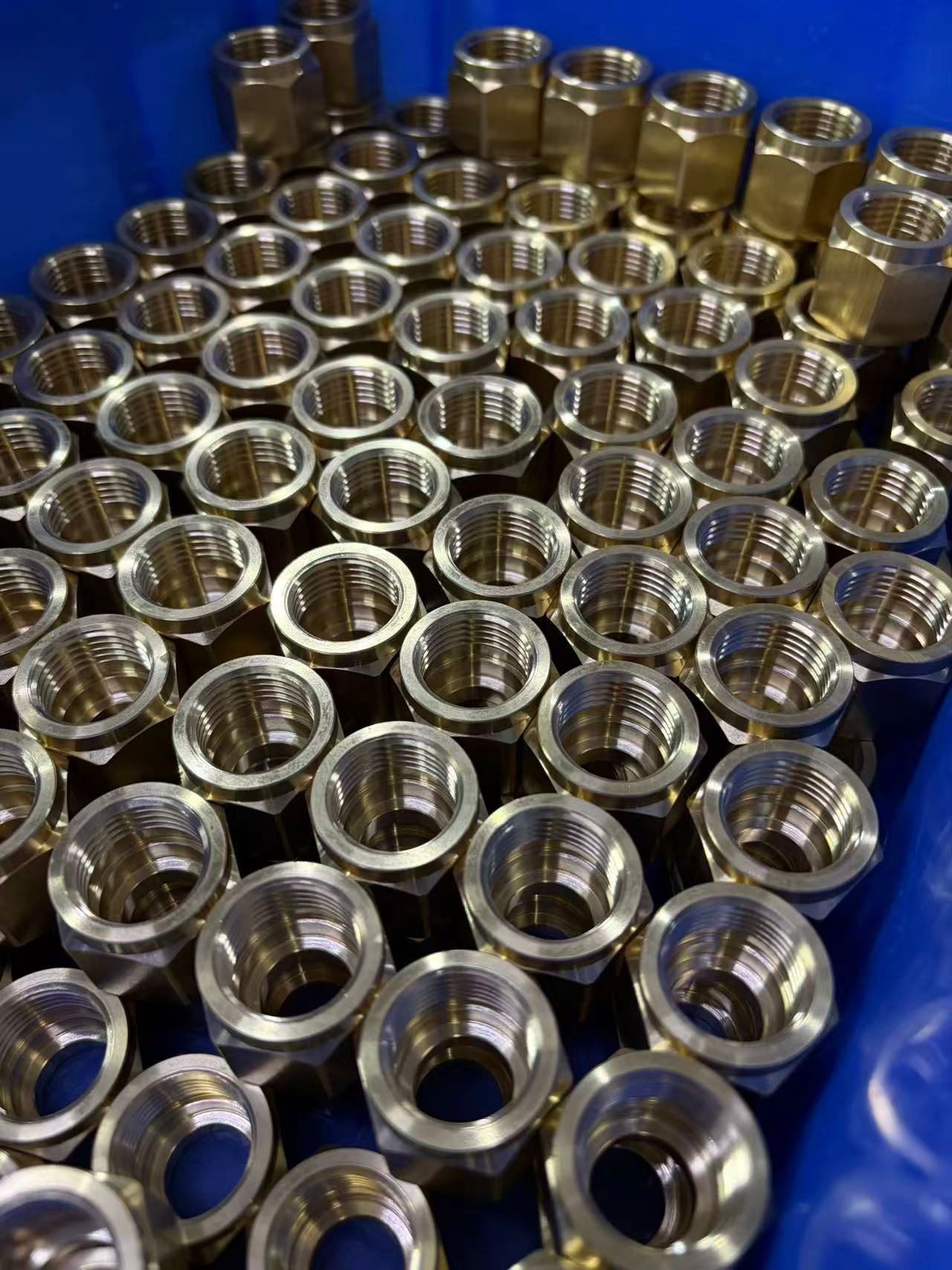
CNC machining for low volume runs makes precision parts in quantities ranging from around 10 all the way up to about 10,000 pieces. This approach sits right between creating prototypes and going into full scale production. The big plus is no need for those costly hard tools that can run into the thousands per mold. Want to tweak a design? No problem here since there are no financial penalties involved. Traditional manufacturing methods typically take weeks just setting everything up and building molds. But with CNC machining, we jump straight from the CAD file right to the actual part, cutting production time down to mere days instead. What's really impressive is how this process handles intricate shapes and maintains extremely tight tolerances down to plus or minus 0.01 millimeters. That kind of accuracy makes it perfect for specialized parts where getting things done quickly while maintaining exact specifications matters most.
How small-batch flexibility eliminates long setup queues and inventory delays
CNC machining works digitally so it can be quickly reprogrammed between different jobs. Production lines can actually switch from making one custom part to another within just a few hours instead of waiting weeks for traditional retooling processes in mass production setups. When there's no need for fixed batch sizes anymore, businesses manage to stay away from producing too much stuff. They dodge those pesky forecasting mistakes, cut down on warehouse expenses, and free up money that was previously stuck in extra stock sitting around. The just-in-time method cuts inventory costs somewhere around 30 percent according to industry reports. What this means is products get made right when they're needed, matching customer demand pretty closely while speeding up how fast orders get fulfilled without creating unnecessary waste along the way.
Optimizing the Design-to-Machining Workflow with DFM and Digital Integration
Applying Design for Manufacturability (DFM) to Prevent Redesign Loops and Tooling Delays
Design for Manufacturability, or DFM, really helps get custom parts made faster. When engineers look at part shapes, how tight those measurements need to be, and what materials will work best while still in the computer design stage, they spot problems that might come up when actual cutting happens. Getting designers and manufacturing folks together early makes a big difference. These joint reviews cut down on having to start over later by around 35% or so, which saves money because nobody wants to waste time redoing tooling tests. Small changes matter too. Just making sure corners are rounded enough for common cutting tools or positioning features along where machines naturally move can save weeks off production schedules. That kind of head start means products hit shelves sooner rather than getting stuck waiting for fixes.
Integrating CAD/CAM, ERP, and AI-Driven Manufacturability Feedback for Real-Time Validation
Putting together digital workflows really cuts down on validation time. When CAD models work hand in hand with CAM programming and ERP systems, AI can look at designs compared to past manufacturing records pretty much right away. The feedback comes in real time too, which helps catch problems early on during prototyping stages. Think about those thin walls that need special fixtures for instance. Systems these days give instant cost numbers and let people know when materials might be running low. What does this mean? Approval processes that used to take days now happen within hours without sacrificing the precision needed for those one off custom jobs. Manufacturers find this particularly helpful when dealing with complex parts where timing matters a lot.
Streamlining Low-Volume CNC Machining Operations for Minimal Cycle Time
Automating programming and leveraging parametric libraries for repeatable custom setups
When it comes to CAD/CAM automation, most manufacturers see programming time cut down somewhere between 40 to 60 percent when compared to old fashioned manual techniques. This makes moving from initial designs straight into actual production much faster than before. These systems come with parametric libraries that basically act as storage units for already tested tool paths and fixture arrangements for commonly encountered shapes and forms. The beauty here is being able to pull those stored solutions out instantly whenever needed again later on. For smaller production runs especially, this means consistently accurate results without having to start from scratch each time. And let's not forget about those pesky programming delays that get in the way so often. According to recent findings published in the Manufacturing Efficiency Journal back in 2023, companies that have implemented these digital process libraries are seeing around a thirty percent drop in how long it takes to produce their first parts, all while keeping tolerances within plus or minus 0.005 inches throughout every batch made.
Reducing non-cutting time: tool change optimization, multi-operation strategies, and adaptive toolpaths
Non-cutting activities account for up to 65% of total cycle time in conventional machining. To reduce this downtime, leading shops implement three key strategies:
- High-efficiency tool changers with robotic arms that swap cutters in under three seconds
- Multi-operation consolidation using 5-axis machines to complete complex parts in a single setup
- AI-optimized toolpaths that dynamically adjust feeds and speeds to prevent chatter while maximizing material removal
Together, these approaches cut setup waste and improve throughput. Manufacturers report 55% faster turnaround on custom orders under 50 units (Precision Machining Association Benchmark, 2024), making low-volume CNC machining a powerful solution for urgent prototypes and bridge production.
Accelerating Quoting, Communication, and Supplier Collaboration
Standardizing RFQ packages and using online low-volume CNC machining platforms for instant quoting
Standardizing RFQ packages makes the whole quoting process go much quicker. When companies include all the necessary details right from the start like what materials they need, CAD files, tolerance specs, and quantity requirements, it saves everyone time. Many online platforms for small batch CNC machining now have smart systems that look at design submissions automatically. These tools can spit out rough cost estimates almost instantly without waiting for someone to manually check everything first. The difference is pretty dramatic actually. According to some industry data from last year, customers typically get their quotes back three times faster compared to old school methods where people had to sit down and calculate everything by hand.
Selecting agile suppliers with certified quality systems, modern equipment, and responsive communication protocols
When selecting manufacturing partners, go for those with ISO 9001 certification because their quality control systems tend to produce better results consistently over time. Check if their machinery lineup includes multi-axis CNC machines that actually match what your specific project requires technically. Communication is just as important as equipment specs, so favor suppliers who keep lines open throughout the process. Set up regular check-ins for production status updates and make sure there's a clear channel for getting design feedback quickly through cloud-based collaboration tools. According to recent data from Agile Manufacturing Benchmark 2024, companies that work this closely together cut down on revisions by around 40%. And remember, good suppliers will typically provide additional services beyond basic manufacturing, which we'll get into next.
- Documented escalation paths for schedule deviations
- Performance tracking for on-time delivery
- Secure channels for sharing design modifications
- Dedicated technical contacts for seamless coordination
FAQ
What is low-volume CNC machining?
Low-volume CNC machining is a manufacturing process for producing precision parts in quantities ranging from 10 to 10,000, situated between prototyping and full-scale production.
How does low-volume CNC machining save time?
Low-volume CNC machining eliminates the need for costly tools and allows for immediate production from CAD files, significantly reducing setup and production times compared to traditional methods.
What is Design for Manufacturability (DFM)?
Design for Manufacturability (DFM) is a practice aiming to simplify and optimize product designs for ease of manufacturing, minimizing the need for redesigns and tooling adjustments.
How does digital integration improve CNC machining?
Digital integration connects CAD, CAM, and ERP systems with AI-driven feedback, ensuring real-time validation and design optimization, speeding up the production process.
What benefits do automation bring to CNC machining?
Automation in CNC machining, including parametric libraries and adaptive toolpaths, greatly reduces programming time and non-cutting durations, enhancing overall efficiency.