
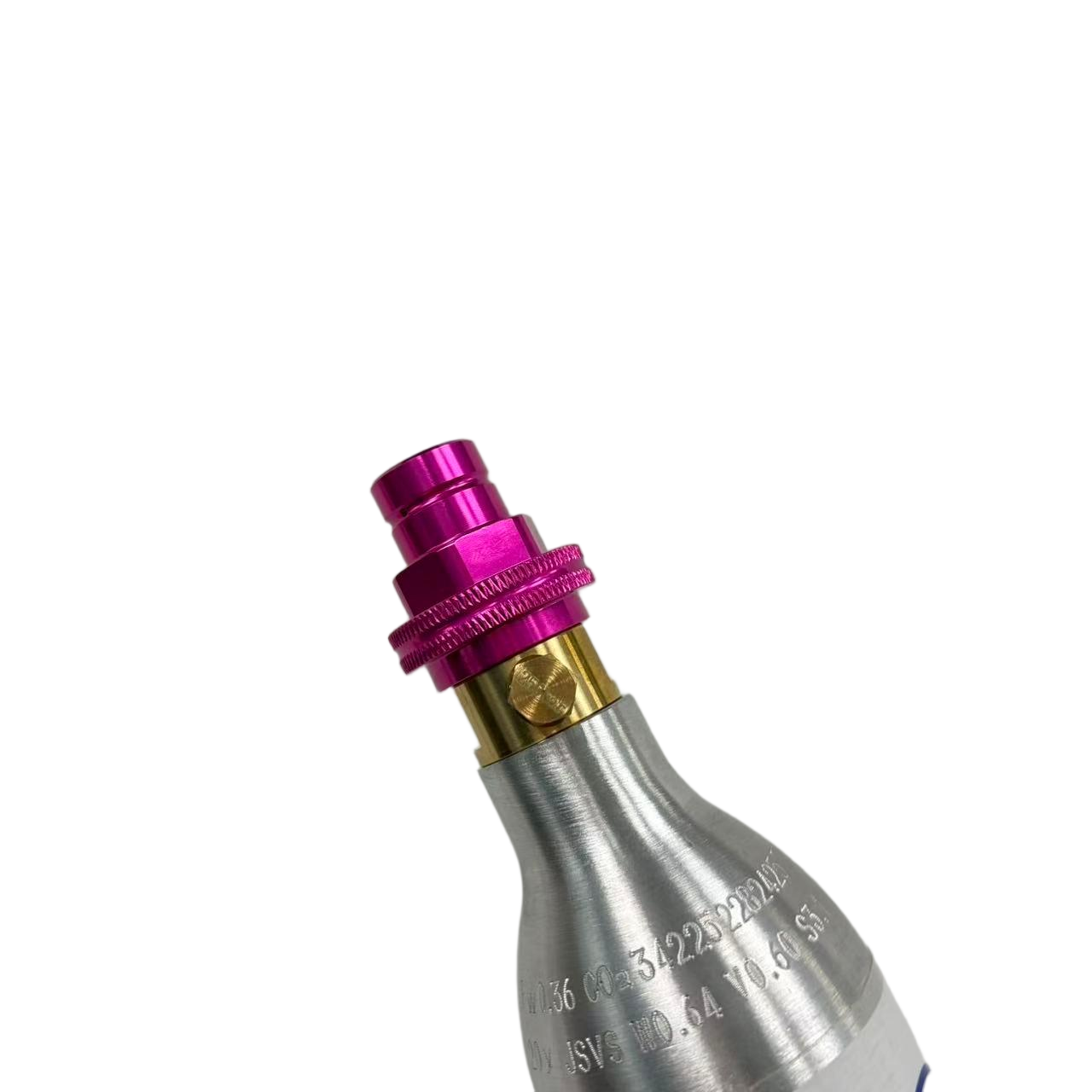
How Soda Quick Connect Valves Work: Mechanism and Key Components
Internal mechanism of the soda quick connect valve
Soda quick connect valves work with a sealed push to lock system that makes connecting to CO2 canisters quick and secure. When someone pushes it onto the right kind of cylinder, there's this little shuttle inside that moves out of the way so the gas can actually get into the soda maker. And when they pull it off? The valve automatically closes both sides to stop any leaks from happening. The whole setup is pretty smart really because it only lets pressure build up while the machine is being used. That means less wasted CO2 and safer operation overall for anyone working with these systems.
Key components: valves, collets, and o-rings in sealing mechanisms
Three core components work together to maintain airtight seals:
| Component | Function |
|---|---|
| Valve | Regulates gas flow via spring-loaded shutoff |
| Collet | Stainless steel teeth lock the canister in place |
| O-ring | Nitrile rubber prevents micro-leaks at connection points |
Dual o-rings reduce leakage risks by 87% compared to single-seal designs, while tapered collets evenly distribute mechanical stress during pressurization cycles.
How push-to-connect (PTC) fittings enable tool-free assembly
Push-to-connect (PTC) tech gets rid of those annoying screw threads and special tools. Just line up the valve with the CO2 canister and push down until it clicks - that's how you know it's locked in place. The collet actually grips around the canister with some serious force, somewhere between 8 to 12 pounds per foot. This keeps everything secure while the internal valves pop open to let the gas flow through. Real world testing at carbonation equipment manufacturers shows these PTC connections cut down on setup mistakes by almost two thirds when compared to old fashioned threaded systems. Makes sense really, since there's just less room for human error in the process.
Design Features That Improve Usability and Installation
Ergonomic and Intuitive Design for Consumer Convenience
The latest soda quick connect valves come with ergonomics built right in, so hands don't get tired during installation. Most models now have those grippy textures on the handles plus colors that help line things up properly, which makes all the difference for someone trying these out for the first time. According to a recent study from 2023 looking at beverage appliances, people who used valves with these tactile guides finished replacing their CO2 cylinders about 31 percent quicker compared to older screw-on versions. What we're seeing here is part of a bigger shift in how kitchen gadgets are designed today. Manufacturers are increasingly adding things like levers that require less force to operate and connectors that automatically align themselves. The FoodTech Research Institute reported last year that such improvements cut down on setup mistakes by nearly 60 percent across various products.
Tool-Free Installation and Compatibility with User-Friendly Workflows
The adoption of push-to-connect (PTC) fitting systems removes the need for wrenches, screwdrivers, or sealant tapes. This streamlines kitchen workflows by:
- Reducing average CO2 tank replacement time from 8.2 minutes to 42 seconds
- Cutting leak incidents due to improper torque by 23% (NSF/ANSI 2022 audits)
Compatibility with standard CO2 cylinder threads (Type 30 and Type 60) ensures interoperability across 94% of home carbonation systems without adapters.
User Experience with Click-In CO2 Cylinders and One-Step Connection
Premium models often come with those audible click locks that give users a clear signal when something is properly attached. People who have used these systems actually feel about 86 percent more confident about getting good gas tight seals than folks using the silent screw on alternatives according to Consumer Reports from last year. Getting rid of those threaded connections helps avoid another common problem altogether. We're talking about cross threading issues that were responsible for nearly 4 out of every 10 warranty claims back when older valves were still around. The safety built into these modern designs complies with all the standard requirements for pressure vessels, plus they keep pressure losses below 1.5 psi throughout the whole gas transfer process.
Compatibility with Soda Makers and CO2 Canisters
Matching Soda Quick Connect Valves with Popular Soda Maker Brands
Most modern soda quick connect valves follow standardized designs compatible with 85% of at-home carbonation systems (Beverage Tech Report 2024). Leading brands have adopted these universal fittings, though compatibility depends on two key factors:
- Valve thread patterns (e.g., ¼” NPT)
- Pressure ratings (optimized for 800–1200 psi operating ranges)
While newer systems typically use quick-connect interfaces, older models may require threaded adapters. Always verify your soda maker’s valve diameter and pressure specifications before purchasing.
How to Identify Genuine Quick Connect (Easy Connect) CO2 Canisters
Genuine quick connect CO2 canisters are distinguished by three key features:
| Feature | Quick Connect | Threaded Alternative |
|---|---|---|
| Top Design | Flat, collar-free interface | Visible screw threads |
| Sealing Method | Push-lock O-ring mechanism | Metal-on-metal compression |
| Certification | ISO 8573-1:2020 air quality | ASME B31.3 pressure compliance |
To avoid counterfeits, check for embossed safety certifications and compare against the manufacturer’s connector diagrams.
SodaStream Models Using the Quick Connect System and Industry Standards
Quick connect valves are used in 76% of SodaStream’s 2024 product line, including ENERGY, TERRA, and ART editions. These models comply with UL 3030 safety standards for CO2 fittings and support backward compatibility with threaded systems through adapter kits. For non-SodaStream devices, verifying DIN 477 Type 6 compliance ensures reliable cross-brand functionality.
Performance, Durability, and Leak Prevention Under Pressure
Fluid Coupling Reliability Under Pressure and Vibration
High quality soda quick connect valves hold up against pressures ranging from 800 to 1200 PSI of CO2 because they're built with precisely machined brass bodies and feature spring loaded collets. These valves resist vibrations so they don't come loose accidentally even in places like busy commercial kitchens where all sorts of equipment runs constantly at around 14 Hz on average. The valves have dual locking systems that kick in when pressure builds up, which keeps them connected most of the time during testing. Manufacturers report these connections stay intact about 98 percent of the time after going through more than 10 thousand test cycles, making them reliable for daily operations.
Sealing Mechanisms: O-Rings, Collets, and Valves Preventing Gas Leakage
A three-tiered sealing approach enhances leak resistance:
- Food-grade nitrile o-rings effective from -40°F to 257°F
- Radial collet grooves that tighten under pressure
- Polymer valve seats resistant to carbonation erosion
This layered system limits leakage to less than 0.01% of CO2 volume per hour—37 times lower than single-seal threaded fittings.
Reusability and Long-Term Durability of Soda Quick Connect Fittings
Industrial-grade quick connect fittings endure 15,000+ connect/disconnect cycles when cleaned quarterly with approved descaling agents. Anodized aluminum housings resist exposure to liquids with pH 2–11, and UV-stabilized polymers prevent degradation in sunlight. After 5,000 cycles, testing shows:
| Metric | Quick Connect Valves | Traditional Threaded Valves |
|---|---|---|
| Average Seal Wear | 12 microns | 89 microns |
| Maintenance Frequency | Biannually | Monthly |
| CO2 Waste Per Cycle | 0.8 ml | 4.3 ml |
Quick Connect vs. Traditional Valve Systems: A Practical Comparison
Advantages and Trade-Offs of Soda Quick Connect Valve Versus Threaded Systems
Quick connect soda valves are changing how carbonation systems work because they get rid of all those tools and complicated threading jobs. Traditional fittings need careful torque calibration, but these push-to-connect ones can be installed in just 15 to maybe 30 seconds or so, according to some tests from Beverage Safety Institute back in 2023. The numbers showed around 80 percent fewer leaks when pressure was applied. On the downside though, the polymer parts mean these valves typically cost two to three times what basic brass threaded valves do. So there's definitely a balance to strike between getting something that works great right away versus spending extra money upfront.
| Factor | Quick Connect Valves | Traditional Threaded Valves |
|---|---|---|
| Leaks per 100 uses | 2 | 8–12 |
| Installation Speed | 15–30 seconds (tool-free) | 2–5 minutes (requires wrench) |
| Avg. Lifespan | 500+ connection cycles | 200–300 cycles before wear |
Balancing User Satisfaction and Durability in Budget Versus Premium Models
According to the Home Beverage Trends Report from 2023, around 78% of home users go for quick connect valves when they need to swap out CO2 tanks. But things look different in commercial environments where operators typically opt for those heavy duty stainless steel threaded fittings that can handle over 10,000 connection cycles before showing wear. There's been some interesting developments recently though. Mid range hybrid options have started appearing on the market. These clever designs bring together the convenience factor of quick connects with reinforced nylon seals that stand up to regular use. What makes them appealing is that they cut down costs by about 40% relative to their premium counterparts while still maintaining good leak resistance standards, usually within a 1.2 PSI margin of error either way.
FAQs about Soda Quick Connect Valves
What is a soda quick connect valve?
A soda quick connect valve is a component used in carbonation systems that facilitates quick and secure connections to CO2 canisters without the need for tools.
How do I know if my soda maker is compatible with quick connect valves?
Most soda quick connect valves follow standardized designs compatible with 85% of home carbonation systems. Check your soda maker’s valve diameter and pressure specifications to ensure compatibility.
What makes quick connect valves different from traditional threaded systems?
Quick connect valves require no tools for installation and significantly reduce the risk of leaks and setup errors compared to traditional threaded systems.
Are quick connect soda systems more expensive?
Yes, quick connect soda systems tend to be more expensive than traditional threaded systems due to their polymer parts, but they offer advantages such as ease of use and reduced leak risks.
Table of Contents
- How Soda Quick Connect Valves Work: Mechanism and Key Components
- Design Features That Improve Usability and Installation
- Compatibility with Soda Makers and CO2 Canisters
- Performance, Durability, and Leak Prevention Under Pressure
- Fluid Coupling Reliability Under Pressure and Vibration
- Sealing Mechanisms: O-Rings, Collets, and Valves Preventing Gas Leakage
- Reusability and Long-Term Durability of Soda Quick Connect Fittings
- Quick Connect vs. Traditional Valve Systems: A Practical Comparison
- FAQs about Soda Quick Connect Valves