
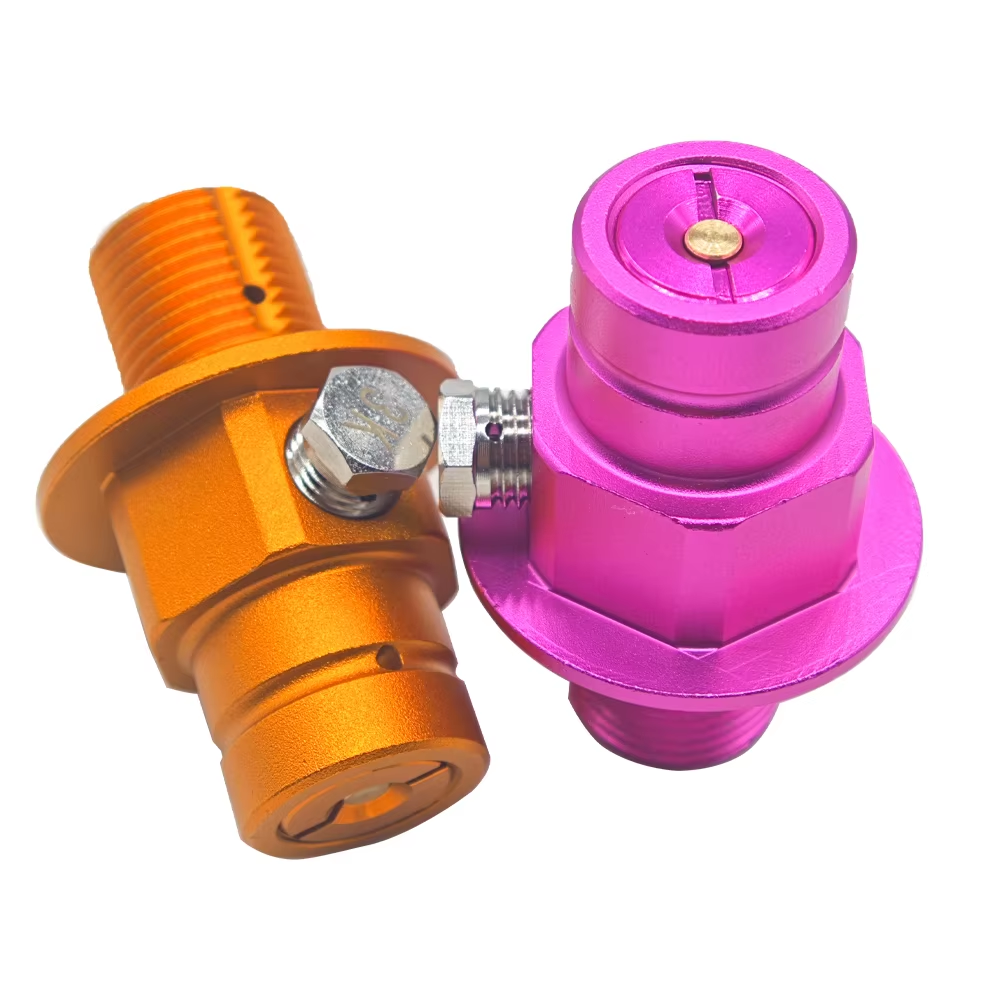
Soda Water-en egokitzailuaren bateragarritasunaren oinarriak: Dimentsioak, estandarrak eta makina-aldakortasuna
Garrantzitsuenak diren parametro fisikoak: Haril-pasua, kanpoko diametroa eta atzokien geometria
Sodako uraren adaptadoreak behar bezala funtzionatzeko, hiru zehaztapen nagusi daude garrantzitsuenak. Lehenik eta behin, gurutze-lerroa (thread pitch) zehatz-mehatz batu behar da banatzailearen balbulan dagoenarekin. Milimetro erdi baino txikiagoa den desberdintza ere lekuz kanpoko isurketak eragin ditzake etorkizunean. Ondoren, kanpoko diametroaren tolerantziak aztertzen ditugu; hauek milimetro laurden inguruan egon behar dute alde bietan. Gehiegi desbideratuta badaude, adaptadorea astindu daiteke edo, horren gainetik, esteka konprimatu arte, eta azkenean osoa hondatuko da. Portuaren forma ere eragin handia du. Batzuk konikoak dira, beste batzuk zuzenak, eta diseinu-aukeraren sinple hau likidoaren fluxua %30 inguru aldatu dezake batzuetan. Ezer berri erositu aurretik, erabil ezazu kalibraia eta neurtu guztia zehaztasunez. Enpresa gehienek ez dute zehazki zenbakiak adierazten inon, beraz hasieran zehatz izateak arazoak ekiditen ditu geroago.
Zergatik huts egiten duten 'Unibertsalak' diren sodako uraren adaptadoreak — BIB, zilindro eta sistemak integratuetan dauden desberdintasun ezkutuak
Hain deituriko adaptadore unibertsalak maiz hondatzen dira, ez delako existitzen presio beharretarako benetako estandarrerik gailu desberdinetan. Polietilen sartutako poltsa (BIB) sistemek normalean 35tik 45 psi-ra arteko presioan funtzionatzen dute, baina zilindro oinarritutako sistemek 50 edo 60 psi inguru behar dituzte. Gizon-emakumeek hauek nahasten dituztenean, karbonazioa galdu dezakete edo balbula kaltetu. Arazoa okerragoa da sistemak integratuetan, non bereziki diseinatutako filetadurak erabiltzen dira, eta beste inork ez du horrelakorik fabrikatzen. Gehienek ez dute konturatzen horren inguruan, gehienetan denbora guztia pasata izaten da hori jakiteko. Azken urtean edarien munduan egindako ikerketen arabera, karbonazio arazo guztien ia bi herenak sistemaren arteko desberdintasun xehatu horietatik datoz, ez adaptadore hondatuetatik. Edozein gauza berri instalatu aurretik, lehenik eta behin, zein motatako sistema erabiltzen ari zaren aztertu ondo.
Soda-uraren egokitzapenaren integrazio fidagarria bermatzeko instalazio zehatza
Instalazio aurreko egiaztapena: sarrera-balbula-espifikazioak eta erregulagailuaren irteera-presioa neurtzea
Bateragarritasuna egiaztatu bi parametro garrantzitsuen neurketa eginez:
- Sarrera-balbularen haril-espezifikazioak (haril-pasa eta kanpoko diametroa) kalibragailu erabiliz
- Erregulagailuaren irteera-presioa , kalibratutako presio-gauge batekin neurtuta
Industriako zehaztutako gida gehienek presioa 45 eta 55 PSI artean mantentzea gomendatzen dute karbonazio onenak lortzeko eta ihesak saihesteko. Izen handiko fabrikatzaileek, normalean, banatzailearekin batera jasotako erabilera-gidaren arabera, presioa gutxi gorabehera ±5 PSI-ko tarte horretan mantentzea gomendatzen dute. Tarte horretatik kanpo joan direnean, arazoak agertzen hasi ohi dira. 2024ko Azken Etxeko Edarien Segurtasun Txostenaren arabera, karbonazio-arazo guztien inguru heren bat presio gomendatuen kanpoko balioengatik izan zen. Beste egiaztapen garrantzitsu bat sistema barneko gomazko estankamendu-elementuak (O-eraztunak) aztertzea da. Ziurtatu behar da erabiliko den materiala karbono-dioxidoarekin bateragarria dela. Material batzuk ez dute denbora igaro ahala CO2-rekin ondo lan egiten, eta azkenean hondatzen dira, geroago arazo larriagoak eragin dezakelarik.
Torque-kontrolarekin egindako estankamendua: Ihesei aurrea hartzeko gurutze-hariak edo O-eraztunak kaltetu gabe
Instalazioan torque kontrolatua aplikatu ondorengo gida hauek jarraituz:
| Torque Maila | Komponentea | Desbideratzearen eragina |
|---|---|---|
| 4–6 ft-lbs | Nailon zurrunkak | Azpian: Mikro-hutsegiteak (zirrurak) Gainean: Iraupeneko hari-deformazioa |
| 8–10 ft-lbs | Metal-metala portuak | Azpian: Aldi baterako fluxua Gainean: Pitzadurak |
12 fut-libra baino gehiagoko torquea erabiltzeak O-eraztunak benetan zapuztu ditzake, eta horrek hutsaren portzentajea %70 inguru handitzen du industrian emandako datuen arabera. Praktika onena beti da konexioa eskuz zurruntzea lehenik, eta gero torque-korrontea erabiltzea azken laurden-biraketa bakarrik egiteko. Denak instalatuta daudenean, ez ahaztu burbuila-test klasikoa. Bestela, soaperako ura zurrunak guztietan esprayatu eta airea ihes egiten ari den tokia erakusten duten burbuila hedatzaileak bilatu. Sistemaren presioa 50 psi inguruan erregulatzeak eragina du fluxu-tasa uniformeak lortzeko eta edarietan karbonazio-maila egokia mantentzeko. Operadore gehienek tokiko ekipamenduarekin lan egiteko puntu hau da egokiena denbora luzean.
Soda-uraren egokitzailuaren doitasun-akatsak diagnostikatu eta konpontzea
Sintomoen arabera konponketa: Zirrindu egitea (presio-hutsa), isurketa (zilindroaren akatsa), karbonatze aldakorra (deslotea edo fluxu-murriztea)
Erauzi sintomak zuzenean eragin-gehiengatik:
- Zirrindu egitea presio-hutsa adierazten du—erabil ezazu hutsen detekzio-eragiketa; 30 segundo barruan sortzen diren burbuilak akatsa berresten dute. Deskonektatu, berrantolatu osagaiak eta aztertu O-zirrinduak mozketa edo lausotze-zeinuak izan al dituzten.
- Isurketa zilindroaren akatsa adierazten du; orain bertan ordeztu O-zirrinduak desgaituak badira, mantentze-kit batetik eskuragarri dauden pieza ordezkoak erabiliz. Ez zaitez gainez arautu, horrek hariak distortsionatzen ditu eta akatsen arriskua %40eko gehikuntza dakar presio-ziklo errepikatuen pean ( Materialen Zientziaren Txostenak , 2022).
- Karbonatze aldakorra deslotea edo fluxu-murriztea adierazten du: ziurtatu egokitzailia balbula-portuan ongi kokatuta dagoela, eta garbitu gas-hodiak kurbatuta daudenean edo ziurtatu zilindroetan puntako-zilindroaren elkarketa egokia dagoela.
Hilero egindako inspekzioek CO₂-ri buruzko hutsak %72 saihesten dituzte ( Beverage Systems Journal , 2023). Erabili beti fabrikatzaileak onartutako gurutzadura-hermetizatzaileak—PTFE-aren tapea erlojuaren norantzan aplikatzeak lekazketa-incidenteen %74 saihesten ditu.
Etorkizunera prest dagoen gasodun uraren adaptadoreak hautatzea: modulartasuna, arautzea eta eskalagarritasuna
ISO/EN 13848-2 eta merkatu osagarriko adaptadoreen diseinua eragiten duten industria-estandar berriak
ISO/EN 13848-2 ziurtagiridun adaptadoreak baldintza zorrotzak jasan ditzaketen moduan eraiki dira, materialen segurtasunari buruzko estandar zorrotzak betezten dituztelarik, eta 60 PSI-ko presioetara aurre egiteko gai dira. Garrantzitsuena da, instalazio guztiak komertzialki egoki egiten direnean, gutxi gorabehera %98ko instalazioetan hutsuneak gelditzen dituztela. Estadar hauek O-zuloen eta haril konektoren proba sakonak eskatzen dituzte, errepikatutako tentsio-zikloekin, eta hori beharrezkoa da egunko erabilera konstantea duten tokietan. Gida berrienak diseinu modularrari ere pisu handia ematen diote, fabrikatzaileak CO2-gazotegien, garagardo-bulk-sistemaren eta oraindik maiz ikusten diren txapela bakarreko banatzaileen arteko konektore-puntu komunen aldera bideratzen dituztelarik. Etorkizuneko beharretarako pentsatuta diseinatutako adaptadoreek dagoeneko ezaugarriak barneratzen dituzte etorkizunean denbora eta dirua aurreztuko dituztenak.
- Eskalagarria den harila : G1/2" eta 3/8" NPT balbulaekin bateragarriak diren tranketa aldaezinak
- Presioari egokitu daitezkeen sigelak tenperatura-aldaketa guztietan konpresioa mantentzen duten termoplastiko elastomeroak
- Atxikitze-portu bateratua instalazio berriak egitea zailtzen duten jabe-erabilera duten konektoreak kenduz
Ez-bateragarriak diren egokitzapenek CO₂ galera erdietsiak urteko %15 eta sistema-kontaminazioaren arriskua dakarten. ISO/EN 13848-2 ziurtagiria duen diseinua aukeratzeak bateragarritasuna bermatzen du karbonatze-plataformen bilakaerarekin, eta instalazio berrien kostua %40ekin murrizten du luzaroan.
Ohiko galderak
Zergatik da garrantzitsua neurtze zehatza sodako uraren egokitzapena instalatzeko?
Neurtze zehatza sodako uraren egokitzapena zuzen finkatzea bermatzen du, hondatzeak saihestuz eta karbonatze egokia bermatuz. Haril-pasoa, kanpoko diametroa edo atxikitze-portuaren forma arteko desberdintasun txikiak instalazio-arazoak eragin ditzakete.
Sodako uraren egokitzapen 'unibertsalak' izan ohi dituzten arazo ohikoak zein dira?
egokitzapen 'unibertsalak' askotan huts egiten dute, BIB, gas-gorputz eta sistemak integratutakoak bezalako sistemek dituzten presio-baldintza desberdinak ez baitira kontuan hartzen, eta horrek karbonatze-arazoak eta tresneriaren kaltetzea eragiten du.
Nola saihestu lekaketa sodako uraren egokitzailua instalatzean?
Erabili torque kontrolatua, haginak edo O-eraztunak kaltetu gabe lekaketa saihesteko. Eskuz zurrutu eta azken laurden-biraketa torque-giltzarekin egitea gomendatzen da.
Zein mantentze-lan arruntak egin behar dira sodako uraren egokitzailuetan?
Hilero egindako inspekzioak eta fabrikatzaileak onartutako harizko estanketasun-erabilgarriak erabiltzeak CO₂-rekin lotutako hutsak eta lekaketak saihesten laguntzen dute. Inspektatu erregulariki O-eraztunak eta mantendu presioak gomendatutako tarteetan.
Edukien zerrenda
- Soda Water-en egokitzailuaren bateragarritasunaren oinarriak: Dimentsioak, estandarrak eta makina-aldakortasuna
- Soda-uraren egokitzapenaren integrazio fidagarria bermatzeko instalazio zehatza
- Soda-uraren egokitzailuaren doitasun-akatsak diagnostikatu eta konpontzea
- Etorkizunera prest dagoen gasodun uraren adaptadoreak hautatzea: modulartasuna, arautzea eta eskalagarritasuna
-
Ohiko galderak
- Zergatik da garrantzitsua neurtze zehatza sodako uraren egokitzapena instalatzeko?
- Sodako uraren egokitzapen 'unibertsalak' izan ohi dituzten arazo ohikoak zein dira?
- Nola saihestu lekaketa sodako uraren egokitzailua instalatzean?
- Zein mantentze-lan arruntak egin behar dira sodako uraren egokitzailuetan?