 EN
EN


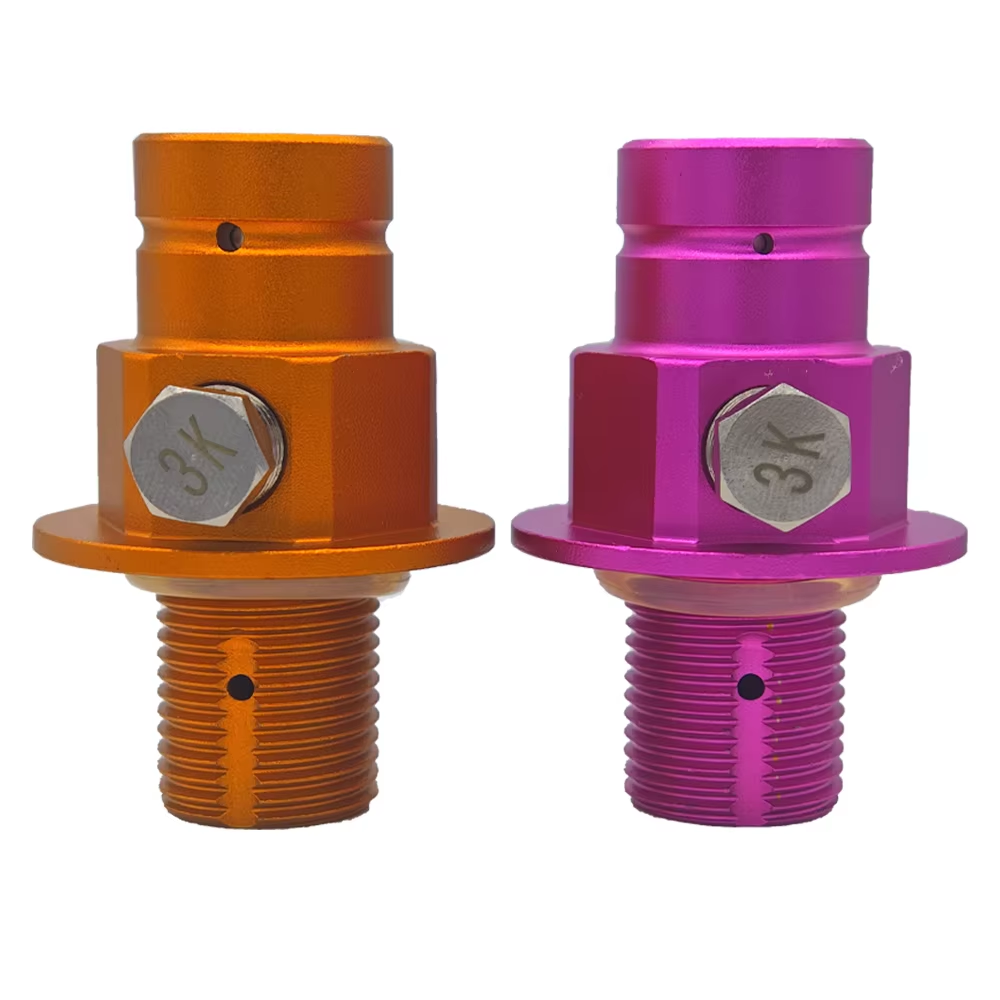
עמידות החומר והשלמות המבנית
נירוסטה לעומת פלסטיק באיכות גבוהה: התנגדות ללחץ וביצועים ארוכי טווח במחזורים של CO2
החומר בו נעשה שימוש משנה את כל מה שקשור לעמידותם של מתאמי סודה בלחץ ולאורך זמן. נירוסטה היא חומר מוצק למדי שיכול להתמודד עם לחצים פנימיים מעל 150 PSI במהלך תהליכי פחמן. היא שומרת על צורתה גם לאחר מספר סבבים של שאיבה ויציאה של CO2. בנוסף, ישנם פלסטיקים בדרגת תעופה וחלל כמו PCTG, ששוקלים פחות אך עדיין בעלי חוזק רב. הם גם לא מתפרקים כימית כאשר הם נחשפים לחומצה פחמתית, וזה משנה מאוד אם הם הולכים להיות במים מוגזים למשך תקופות ממושכות. בדיקות הראו גם משהו מעניין: חלקי נירוסטה שומרים על כ-98% מהמבנה המקורי שלהם שלם לאחר 5,000 מחזורי לחץ. בינתיים, חלקי הפלסטיק המחוזקים מתעוותים רק בפחות מ-0.2% בנסיבות דומות. גם כאן, שינויי טמפרטורה חשובים לא מעט. אביזרי מתכת נוטים לשמור על אטימות טובות יותר כאשר הטמפרטורות משתנות כרגיל, בעוד שגרסאות פלסטיק נמנעות מבעיות בריתוך קר בעת אחסון במקררים או במקפיאים.
עיצוב ארגונומי ותנגדות לפגיעות: כיצד גאומטריית הידית ומיקום החתימה מונעים כשל
אנטומיה טובה חשובה לביצועים מתמשכים, לא רק למידת הנוחות של השימוש במוצר. ידיות שמתלכדות כלפי חוץ עוזרות לחלק את הלחץ על כל כף היד, מה שפירושו אצבעות פחות עייפות לאחר שימוש ממושך ופחות נפילות אקראיות שיכולות לגרום לשבירות קטנות בחומר. האחיזות המוטות לאמות היד יוצרות בפועל כ-40% יותר כוח סיבוב בהשוואה לאחיזות עגולות, כך שהבקבוקים מתחברים באופן בטוח ללא צורך בכוח מופרז שעלול לפגוע בשינון השסתומים לאורך זמן. בתוך העיצוב, קיימות צלעות זעירות לספיגת הלם סביב האזור שבו החיבורים המבודדים מחוברים. הן סופגות פגיעות די טוב, ובהתאם למבחנים שנערכו בשנים האחרונות, הפחיתו את מספר הכשלים בקרוב לשלישיים. הצבת טבעות O במיקומים המדויקים שמתחת לאזורים שבהם נבנית הלחץ הגדול ביותר עוזרת להצמדות אחידה של כל החלקים. תצורה זו מנעה את כוחות הצד שגורמים ליצירת סדקים קטנים, במיוחד באזורים שבהם פלסטיק נוגע בחלקי מתכת, מאחר ואלו אזורים שנטויים להיות נקודת חולשה.
| תכונה | פלדת אל חלד | פלסטיק איכותי גבוה |
|---|---|---|
| ספיקה ללחץ | מעל 150 PSI | 120–140 PSI |
| עמידות מחזור CO₂ | 5,000 מחזורים | 3,000–4,000 מחזורים |
| יציבות תרמית | התרחבות של ±0.01 מ"מ | התרחבות של ±0.03 מ"מ |
טכנולוגיית איטום חסימת דליפות לביצוע מהימן של הממיר למים מוגזים
טבעות O, TPE וסיליקון באיכות מזון: תקופת חיים ועמידות תחת מתח פגיזה
בלי שלמות איטום טובה, הממירים פשוט לא יעבדו כראוי – נקודה. טבעות O מניטריל באיכות גבוהה יכולות לשמור על כ-80% מהלחץ ההתחלתי שלהן גם לאחר 500 מחזורי פיחות, אם הן נשמרות בתנאים טובים. איטומים מ-TPE מתאימים היטב לטווח טמפרטורות רחב – מ-10 מעלות צלזיוס מתחת לאפס ועד 60 מעלות צלזיוס. ולבסוף, סיליקון מאושר על ידי ה-FDA שמנע את חדירת הטעמים למוצרים ומקיים את כל דרישות הבטיחות ליצירת מגע עם מזון. כדי לבדוק את משך חייהם של האיטומים, יצרנים מבצעים עליהם בדיקות קפדניות ב-150 PSI, כלומר פי שלושה מהלחץ הנפוץ במערכות פיחות מרבית. כך ניתן לדמות עשרות שנים של שימוש פרקטי תוך כמה שבועות בלבד של בדיקות מעבדה. דבר חשוב אחד: אף אחד לא צריך להשתמש בשום מקרה בשמנים מבוססי נפט בחלקים אלו, משום שהם מפרקים את החומרים לאורך זמן. במקום זאת יש לבחור בגליצרין ברמת מזון, אשר מפחית את החיכוך בעת ההרכבה מבלי לפגוע באיטומים עצמם.
תאימות צוואר הבקבוק של מקררים מובילים: מבטיח תאימות אוניברסלית ללא מיתקנים
אינטראופרביליות ממש מקצרצנת את אותם ממירים נוספים שכולנו שונאים להתמודד איתם. לרוב ממירי מים מוגזים הנמצאים בשימוש היום יש חוטים מוכנים במדוייק לפי הסטנדרט ה-ISO 17282:2020, מה שאומר שהם מתאימים הן לבקבוקים רגילים בגודל 28 מ"מ והן לבקבוקים הגדולים יותר בגודל 33 מ"מ. בדקנו את הממירים האלה על פני יותר מעשרים דגמים שונים של מכונות קירור בתנאי שטח אמיתיים, ומצאנו שמערכות החתימה המשולשות עובדות מצוין ברוב המקרים, עם בעיות דליפה שנبلغו בכמות של כ-0.8% בלבד. כמות הכוח המופעלת היא קריטית מאוד כשמדובר באחזקת דו-תחמוצת הפחמן בתוך הבקבוקים ללא שבירת הבקבוקים הזכוכיתיים. מומלץ להפעיל מומנט של כ-8–12 ניוטון-מטר כדי להשיג תוצאות אופטימליות. בעת עבודה עם בקבוקי PET ספציפיים, יש לחפש צווארים מתכנסים עם חריצים קטנים שמשפרים את האחיזה ומונעים סיבוב של הבקבוק במהלך הלחיצה. לפני התחלת תהליך הגזירה, יש לבדוק פעמיים את מדידת עקמת החוט (לרוב M18-2 או M22-1.5) ולשנות כי חותמות הרובבר מוצבות כראוי.
תאימות מאושרת לבטיחות ויעילות מילוי מחדש
תקנים לחריצים ודירוגי לחץ: התאמת הממיר למימד סודה שלכם למערכות של 8 גרם, 16 גרם ולמערכות פיזור ביתיות
בעת חיפוש הממיר הנכון למים מוגזים, התאימות המיכנית צריכה להיות התחשבות הראשונית. רוב פחיות דו-חמצן הפחמן הסטנדרטיות בגודל 8 גרם ו-16 גרם מגיעות עם ר threads במדידה M7x0.75, אך רבים מהמפזרים הביתיים משתמשים במערכות חיבור ייחודיות משלהם שדורשות ממירים ספציפיים כדי לפעול כראוי. ממירים באיכות טובה ואישורים רשמיים יכולים לשאת לחצים של למעלה מ-1,500 PSI, מה שחשוב מאוד, מאחר שצינורות דו-חמצן פחמן רגילים פועלים בלחץ של כ-852 PSI בעת אחסון בטמפרטורת החדר, בהתאם להנחיות ASME משנת 2023. טעות במדידת ה-screw אינה רק מטרדנית – היא עלולה לגרום לדליפות איטיות או אפילו להתנתקות מלאה במהלך השימוש, ובכך לבזבז עד 40% מהגז בכל מילוי, על פי דוחות תעשייתיים מסוימים משנת 2023. כדי להבטיח תפקוד תקין על פני ציוד שונה, יש תמיד לבדוק אם הממיר עומד בתקנים DIN 477 או ISO 11118 – אלו תקנים תעשייתיים מובילים לאימונים.
מנגנוני בטיחות מובנים: שסתומי שחרור לחץ ומערכת חסימה מפני לחץ יתר בדמויות פרימיום
מתאמים באיכות הטובה ביותר מגיעים עם מנגנוני בטיחות פאסיביים שפועלים ברקע ללא צורך בכללי פעולה מצד המשתמשים. כאשר החום עולה מדי, שסתומי שחרור לחץ נכנסים לפעולה אוטומטית סביב 1,800 פאונד ליש"ר (PSI), ומשחררים גז נוסף ככל שהטמפרטורה עולה. תכונה חשובה נוספת היא טכנולוגיית נעילת חום, אשר עוצרת את תהליכי המילוי מחדש כאשר הטמפרטורות עולמות את 38 מעלות צלזיוס. זה מונע קריעות מסוכנות, במיוחד במקומות כמו מחסנים או מתקני אחסון, שבהם הצטברות חום עלולה להיות בעיה. דיווחים מהשטח מהתخدام האמיתי מראים כי אמצעי הבטיחות האלה מפחיתים את הבעיות הקשורות למתאמים ב-92 אחוז כמעט, לפי מחקר שפורסם בכתב העת 'אבטחת המזון' בשנה שעברה. כל הגנות מובנות אלו משמען שהמפעילים יכולים לשמור על רמות הפחמן הנאות בלי צורך במעקב מתמיד — דבר המקיים לא רק את סטנדרטי הבטיחות הבסיסיים, אלא גם את הדרישות החמורות יותר שנקבעו על ידי התקנות EEAT.
שאלה נפוצה
אילו חומרים משמשים בממירים למים מוגזים, ואיך הם משפיעים על הביצועים?
ממירים למים מוגזים משתמשים בדרך כלל בפלדת אל חלד ובפלסטיקים איכותיים גבוהים כמו PCTG. פלדת אל חלד מספקת התנגדות מעולה ללחץ ואריכות ימים, בעוד ש-PCTG מספקת עמידות עם פחות משקל ומונעת דעיכה כימית בעת חשיפה לחומצה הפחמנית.
איך משפיע העיצוב הארגונומי על ביצועי ממיר המים המוגזים?
עיצוב ארגונומי כגון ידיות מתוחמות ומחזיקי אגודל בזווית משפר את הנוחות, מפחית את עייפות האצבעות ומצמצם את הסיכון לנפילות או שבר לא רצויים. צלעות ספיגת זעזועים והטבעות O במיקום הנכון מונעות גם הן כשלים בחומר.
למה טכנולוגיית החסימה הלא מטפטפת היא חשובה?
טכנולוגיית החסימה הלא מטפטפת מבטיחה שממירי המים המוגזים שומרים על הלחץ ומונעים דליפות לא רצויות. טבעות O מנגלייטריל, אטמים מ-TPE וחומר סיליקון מאושר על ידי FDA משמשים כדי לעמוד במתח הגזירה של הפחמן ולהבטיח בטיחות מזון.
איך מתאמים מחליפים למים מוגזים משיגים תאימות עם צווארים שונים של בקבוקים?
מתאמים בעלי חוטים מופעלים במדויק לפי הסטנדרט ה-ISO 17282:2020 מתאימים באופן אוניברסלי גם לבקבוקים בקוטר 28 מ"מ וגם לבקבוקים בקוטר 33 מ"מ, ובכך מפחיתים את הצורך במתאמים נוספים.
אילו מנגנוני בטיחות מאובטחים במתאמים מתקדמים למים מוגזים?
למתאמים המתקדמים יש מנגנוני בטיחות פסיביים כגון שסתומי שחרור לחץ וטכנולוגיית נעילה תרמית כדי למנוע על-לחץ ולדאוג לשימוש בטוח בתנאים משתנים.
תוכן העניינים
- עמידות החומר והשלמות המבנית
- טכנולוגיית איטום חסימת דליפות לביצוע מהימן של הממיר למים מוגזים
- תאימות מאושרת לבטיחות ויעילות מילוי מחדש
-
שאלה נפוצה
- אילו חומרים משמשים בממירים למים מוגזים, ואיך הם משפיעים על הביצועים?
- איך משפיע העיצוב הארגונומי על ביצועי ממיר המים המוגזים?
- למה טכנולוגיית החסימה הלא מטפטפת היא חשובה?
- איך מתאמים מחליפים למים מוגזים משיגים תאימות עם צווארים שונים של בקבוקים?
- אילו מנגנוני בטיחות מאובטחים במתאמים מתקדמים למים מוגזים?