
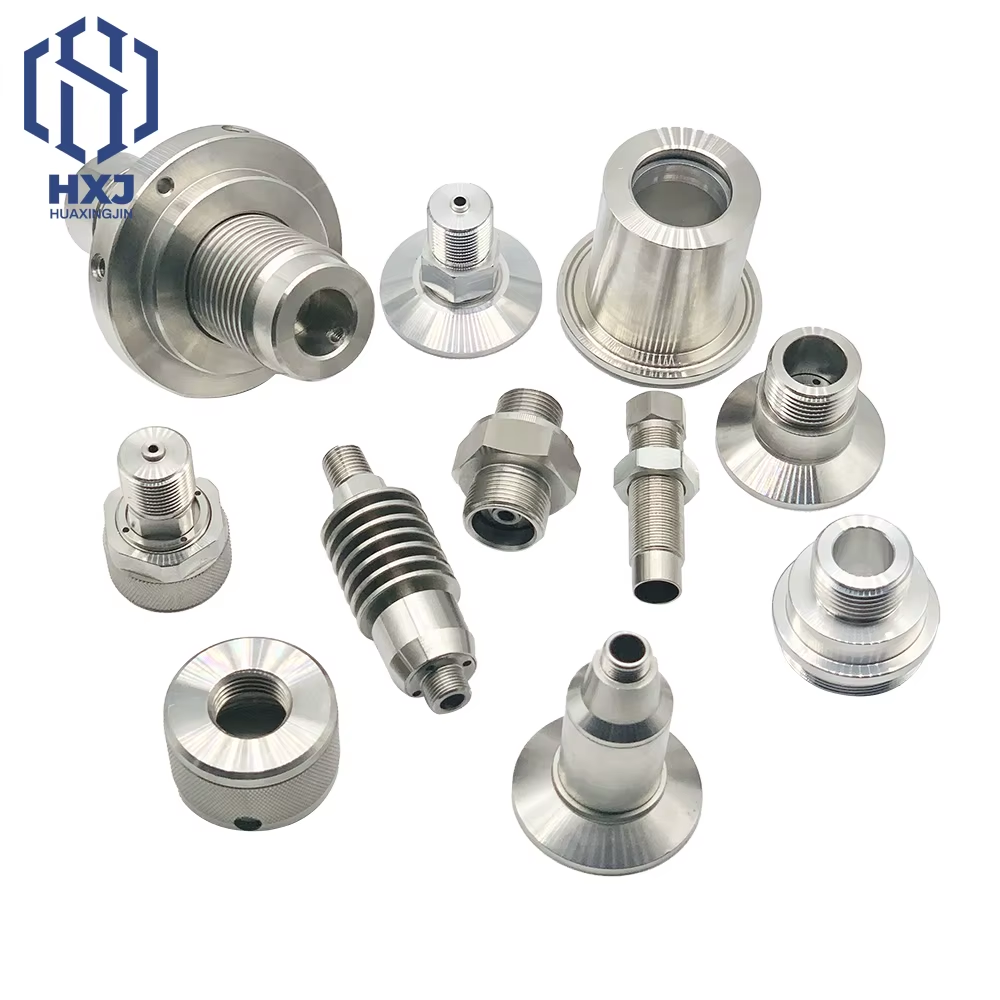
Kostnadseffektivitet utan kompromisser vid CNC-bearbetning i små serier
Undvikande av första kostnaderna för verktyg jämfört med injektering och stansning
Jämfört med injektering eller stansning, som kräver specialverktyg värd mellan tio- och åttiotusen dollar, fungerar CNC-bearbetning med standardverktyg som är lättillgängliga på marknaden. Detta innebär att det inte krävs några förskottsinvesteringar i specialutrustning innan produktionen ens påbörjas. För småföretag som precis startar, forskningsavdelningar som arbetar med prototyper eller företag som behöver reservdelar till äldre maskiner kan detta göra all skillnad. Enligt vissa senaste branschrapporter från förra året sparar CNC-bearbetning faktiskt mellan sextio och åttiofem procent jämfört med konventionella tillverkningsmetoder vid serier om färre än 100 enheter, om man inte bara tar hänsyn till verktygskostnaderna utan även till hur lång tid det tar att tillverka varorna och eventuella extra kostnader för ändringar under processen. Den verkliga nyttan blir uppenbar när man beräknar vid vilken produktionsvolym kostnaderna för de olika tillverkningsmetoderna är lika (break-even-point).
| Kostnadstyp | Cnc-mackning | Injektionsmoldning |
|---|---|---|
| Verktygsinvestering | $0–$500 | $8,000–$80,000 |
| Kostnad per del | Högre | Lägre |
| Break-even-mängd | Omedelbar | 500+ enheter |
Sann break-even-gräns: Varför CNC dominerar vid mindre än 50–100 delar
Kostnadsstrukturen för CNC-bearbetning förblir ganska konstant eftersom det inte finns något behov av att sprida verktygskostnaderna över tid, vilket gör den till ett ekonomiskt bättre val för serier på cirka 100 delar eller färre. Sprutgjutning blir billigare per enhet när de stora första verktygskostnaderna tas med i beräkningen. Ta till exempel Ponemon Institute:s studie från 2023, där de nämner verktygskostnader på 740 000 USD som fördelas över tusentals enheter. Vid CNC-bearbetning stiger däremot priserna inte på samma sätt – de förblir stabila oavsett om man tillverkar en enda enhet eller upp till nittionio. När det gäller mindre serier, specifikt under femtio enheter, är CNC ofta cirka 40 procent billigare jämfört med sprutgjutning eller stansningsmetoder. Detta inkluderar alla extra kostnader för avfallsmaterial, slöseri med resurser under produktionen samt eventuella nödvändiga designändringar under vägen. Regeln gäller i allmänhet tills själva delens design kräver något som är bättre anpassat för storsskalig tillverkning. Sådana situationer uppstår dock sällan vid prototypframställning, produkttester eller tillverkning av specialkomponenter för specifika marknader.
Oöverträffad precision och konsekvens i små serier
Upprepbarhet med stränga toleranser (±0,005 mm) utan processdrift
CNC-bearbetning ger enastående dimensionsnoggrannhet och upprätthåller toleranser ner till cirka ±0,005 mm under hela produktionsloppet samt bibehåller denna nivå konsekvent över tid. Additiva tillverkningsmetoder har ofta svårt att uppnå korrekt lagerjustering, medan traditionell gjutning kan deformeras på grund av värmeändringar under kylningen. Den subtraktiva karaktären hos CNC-komponenter kombinerat med datorstyrda rörelser innebär att det finns långt mindre risk för att gradvisa fel smyger in. Tillverkare investerar kraftigt i saker som exakta spindelinställningar, specialunderlag som absorberar vibrationer samt system som automatiskt kompenserar för temperaturfluktuationer. Enligt senaste branschdata från Precision Manufacturing Journal (2023) uppnår de flesta moderna CNC-anläggningarna en noggrannhet på cirka 98,7 % direkt från maskinen utan att kräva ytterligare justeringar efteråt. För delar som används i kritiska situationer, såsom medicinska implantat eller flygplanskomponenter, är även minsta mätavvikelser av stort betydelse för både säkerhet och funktion. Dessa avancerade maskiner minskar också avfallet avsevärt jämfört med äldre metoder, där kassationsgraden ibland överskred 15 %.
Digital verktygspathsäkring och metrologi under processen för enhetlig kvalitet mellan partier
Efter validering förblir CNC-verktygspålar digitalt låsta, så att samma bearbetningssekvens kan upprepas månader eller till och med år senare utan ändringar. Metrologiprober som är integrerade direkt i systemet kontrollerar viktiga egenskaper samtidigt som delar bearbetas. Dessa prober justerar automatiskt verktygsinställningarna när mätvärdena avviker mer än 0,002 mm från toleransen. Hela systemet fungerar som en återkopplingsloop som självständigt hanterar problem orsakade av slitna verktyg, inkonsekventa material och förändrade verkstadsförhållanden. Verkliga data visar att dessa system minskar de dimensionella skillnaderna mellan partier med cirka 89 %, enligt Advanced Manufacturing Review från förra året. Vad betyder detta i praktiken? Tillverkare får konsekvent kvalitet mellan partier som uppfyller ISO 9001-standarder, samtidigt som de sparar cirka 40 % på inspektionsarbete och -tid. Bilkomponentleverantörer som kräver komponenter inom strikta toleranser på 0,008 mm eller bättre finner detta särskilt värdefullt, eftersom det möjliggör verklig utbytbarhet av delar över olika produktionsomgångar.
Accelererad tid till del: Snabb genomförande för prototyper och mellanproduktion
Från CAD-fil till levererad komponent på <72 timmar – verkliga referensvärden
CNC-bearbetning minskar verkligen tiden det tar att tillverka komponenter. Vi har sett verkstäder leverera fungerande, produktionskvalitetskomponenter från dessa CAD-filer på mindre än tre dagar. Ingen behöver vänta på att gjutformar ska tillverkas, inga förseningar på grund av värmebehandling och absolut ingen väntan på att installationer ska ske någon annanstans. När programmeringen är kontrollerad kan produktionen startas direkt. Hela processen blir smidigare med automatiserad CAM-programvara som körs tillsammans med de avancerade fleraxliga maskinerna, samt digitala offertsystem som eliminerar byråkrati. Titta på vad luft- och rymdföretag gör idag. Vissa inom branschen säger att deras prototypningstider minskat med nästan 85 % jämfört med äldre metoder. Tillverkare av medicintekniska apparater? De utnyttjar denna ökade hastighet för att snabbare lämna in sina ansökningar till FDA med faktiska materialprov istället for bara simuleringar. Och här är något ganska imponerande: om någon vill justera konstruktionen halvvägs genom produktionen behöver inga verktyg kasseras eller hela processen startas om från början. Skicka helt enkelt en uppdaterad G-kodfil och fortsätt produktionen. Denna typ av flexibilitet gör CNC-maskiner ovärderliga när företag behöver testa nya produkter på marknaden, hantera korta produktionsomgångar eller åtgärda utrustningsbrott på plats. Varje extra dag som sparas innebär också verklig besparing i pengar.
Designfrihet och funktionsanpassning med CNC-bearbetning
CNC-bearbetning ger konstruktörer mycket större frihet vid tillverkning av små serier av delar, vilket i princip befriar dem från alla de gamla begränsningarna kring verktygskostnader, utdragningsvinklar, väggtjocklekskrav och begränsningar på delningslinjer. Hela processen kräver heller inga specialgjutformar eller stansverktyg, så när ingenjörer vill testa olika konstruktioner eller göra ändringar uppstår inga extra kostnader för nya verktyg och inga väntetider för leveranstider. Denna typ av flexibilitet är särskilt viktig för exempelvis provning av fungerande prototyper, tillverkning av specialiserad mätutrustning, utbyte av gamla delar som är svåra att få tag på samt byggnad av högpresterande komponenter. Traditionella tillverkningsmetoder tvingar ofta människor att nöja sig med mindre idealiska former, material eller tillverkningsmetoder endast för att det är enklare på det sättet.
Komplexa geometrier, underskärningar och fleraxliga funktioner i en enda monteringsställning
De senaste CNC-maskinerna med fem axlar kan skapa verkligen komplexa former som inkluderar saker som djupa hålrum, organiska kurvor, svåra underskärningar och de komplicerade snedställda snitten – allt i ett enda steg utan att behöva stoppa. Detta innebär att det inte krävs några extra steg, att flytta delar mellan fästmedel eller att hantera de irriterande justeringsfel som ackumuleras över tid. Dessutom bibehålls en noggrannhet på cirka 0,005 mm över hela komponenten. Konstruktionslag utnyttjar detta genom att kombinera flera delar till en enda solid komponent. Färre delar innebär färre ställen där något kan gå fel och sparar även på monteringsarbete. Vad som gör detta möjligt är hur maskinen arbetar direkt från de ursprungliga CAD-ritningarna. Små detaljer såsom tunna väggar, mikroskopiska kanaler och exakta gängmönster återges korrekt oavsett om det gäller metall- eller plastdelar. Traditionella metoder som formgjutning har flödesproblem, och smidda material har alltid riktningsspecifika problem som helt saknas här.
Frågor som ofta ställs
Vad är CNC-bearbetning?
CNC-bearbetning är en tillverkningsprocess där datorstyrda maskiner används för att framställa delar med hög precision från olika material.
Varför är CNC-bearbetning kostnadseffektiv för produktion i låg volym?
CNC-bearbetning är kostnadseffektiv för produktion i låg volym eftersom den inte kräver dyra specialverktyg och bibehåller en konsekvent kostnadsstruktur.
Vilka fördelar har CNC-bearbetning jämfört med traditionella metoder?
CNC-bearbetning erbjuder obestridlig precision, snabba leveranstider, designflexibilitet och kan framställa komplexa geometrier i en enda installation.