
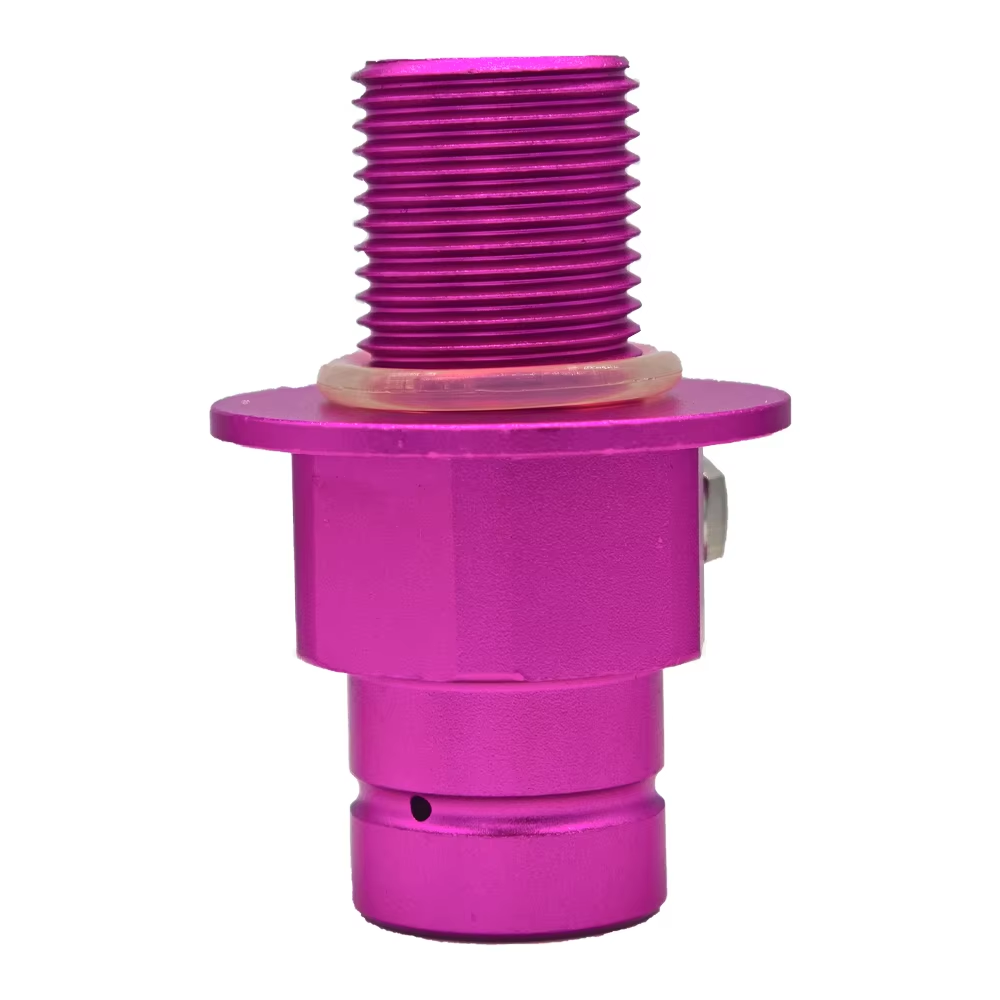
The Problem: High Cost and Waste of Proprietary CO2 Cartridges
Why Standard Cartridges Drive Up Long-Term Costs
Those proprietary CO2 cartridges really end up costing folks a fortune over time because manufacturers build them to become obsolete after just one use. These sealed containers force people to keep buying at premium prices again and again, usually paying anywhere from three to five times what bulk CO2 would cost per ounce. Most families who own a soda maker find themselves going through around 12 to 15 of these cartridges every year. What makes matters worse is how supply chain markups combined with brand-specific designs basically eliminate any chance for competitive pricing. And let's not forget about the quality inconsistencies either. Some cartridges just don't perform well, leading to leaky systems or drinks that aren't properly carbonated. The math adds up fast too many households end up spending more on cartridges alone than they ever paid for the actual soda maker itself within just 18 months or so. That's pretty much textbook corporate strategy turning waste into profit.
Environmental and Convenience Drawbacks of Single-Use Systems
The disposable nature of CO2 cartridges creates measurable ecological and practical burdens:
- Manufacturing emissions: Aluminum extraction and processing for each cartridge is energy-intensive
- Transport inefficiency: Lightweight containers ship with excessive protective packaging—up to 40% of cargo space is non-product volume
- Landfill persistence: Empty cartridges take 150–200 years to decompose and may leach microplastics
- Carbon multiplier effect: Distribution-related emissions exceed the embedded CO2 by 3
Users also face inventory shortages, clutter from accumulating empties, and unexpected interruptions in carbonation. Unlike bulk systems with transparent pressure gauges, proprietary cartridges offer no visibility into remaining gas—leading to either premature disposal or under-carbonated beverages.
The Solution: How Soda Water Adapter Enables Safe, Standardized CO2 Refills
Core Mechanism: Pressure Regulation and Thread Compatibility
Soda water adapters solve the problem of being stuck with proprietary equipment by letting people connect their home soda maker directly to commercial CO2 tanks safely. The magic happens thanks to two smart design elements standard threads that work with most tanks and pressure regulation that keeps things under control. Most adapters come with either brass or stainless steel valves featuring those common industry threads CGA 320 or TR21-4 so they fit securely onto bulk tanks without issues. When making drinks, these adapters have dual stage regulators that keep carbonation pressure steady around 45 to 55 psi, which is actually much better than the typical 30 psi from regular systems. This means smaller bubbles in all kinds of beverages. A recent study from the beverage industry in 2023 showed that switching to this kind of setup can cut down yearly CO2 expenses by about 72 percent. Plus, there are clear pressure gauges on these adapters that let users watch what's happening during those intense pressure transfers between 850 and 1000 psi, stopping overfills before they happen and keeping everything running smoothly.
Critical Safety Features: Overpressure Relief and Dual-Seal Integrity
Adapters that carry certification actually pass strict safety tests when it comes to handling pressurized carbon dioxide. The spring loaded relief valves will let out gas automatically whenever the pressure goes over 1000 psi. This addresses the main problem seen in about 8 out of 10 unsafe home modifications according to the Home Beverage Safety Report released last year. We also have those dual nylon O rings which seal connections twice over, keeping leaks down to less than 0.05 psi. That's way below anything considered dangerous. All these parts come from food grade materials too, meeting all relevant pressure equipment standards across the board. Put them all together and suddenly something that used to be pretty risky and completely unregulated becomes something much safer and more controlled. Users stay protected and their drinks taste better because of it.
Real-World Impact: Cost Savings, Compatibility, and Regulatory Clarity
Verified 72% Annual CO2 Cost Reduction with Bulk Tank Integration
Studies show that switching to bulk CO2 tanks with the right soda water adapter can cut yearly CO2 costs by around 72% when compared to those expensive proprietary cartridges. Let's put this into perspective: bulk CO2 runs about eight cents per liter, whereas those single-use options typically set businesses back around a buck twenty for the same amount. The real money saver comes from cutting out all those extra charges for cartridges themselves plus their packaging and shipping costs, not just getting cheaper per liter prices. And there's another benefit too - fewer trips to refill means less hassle overall for operations staff. Over time these small conveniences add up significantly while still keeping everything running smoothly and maintaining product quality standards.
Compatibility Landscape: Popular Home Carbonation Systems and Alternative CO2 Sources Explained
Modern adapters feature universal threading and adaptive pressure regulation, supporting seamless integration with leading home carbonation systems—including SodaStream, Aarke, and DrinkMate models. They accommodate diverse CO2 sources such as:
- Standardized paintball tanks (24-ounce)
- Industrial-grade bulk cylinders (5–20 lb)
- Commercial refill station outputs
This flexibility liberates users from manufacturer-locked ecosystems while preserving optimal carbonation pressure and consistency across applications.
Regulatory Snapshot: Legal Refill Guidance in US vs. EU Markets
| Regulation Aspect | United States Guidance | European Union Requirements |
|---|---|---|
| Refill Authorization | Permitted at certified stations | Restricted to authorized facilities |
| Consumer Tank Testing | Not routinely mandated | Hydrostatic tests every 5 years |
| Safety Certification | Basic pressure compliance | EN ISO 12588 standards required |
While U.S. policy emphasizes accessibility through certified refillers, EU directives prioritize periodic verification and harmonized safety certification. Users should consult local regulations—and verify adapter and tank certifications—before initiating refills.
FAQ Section
What is the main drawback of using proprietary CO2 cartridges?
Proprietary CO2 cartridges are costly over time, often leading users to spend more on cartridges than the soda maker itself, and they contribute to environmental waste.
How do soda water adapters improve the use of soda makers?
Soda water adapters allow the safe connection of soda makers to commercial CO2 tanks, enabling cost-effective and eco-friendly CO2 refills.
What safety features do certified soda water adapters have?
Certified adapters include features like overpressure relief valves and dual-seal integrity to ensure safe handling of pressurized CO2.
How does the use of bulk CO2 tanks reduce costs?
Bulk CO2 tanks can reduce costs by approximately 72% annually compared to proprietary cartridges, due to cheaper CO2 per liter and reduced expenses related to packaging and refills.
Are soda water adapters compatible with all soda makers?
Modern adapters are designed to be compatible with leading soda makers like SodaStream, Aarke, and DrinkMate, and can connect to various CO2 sources.