
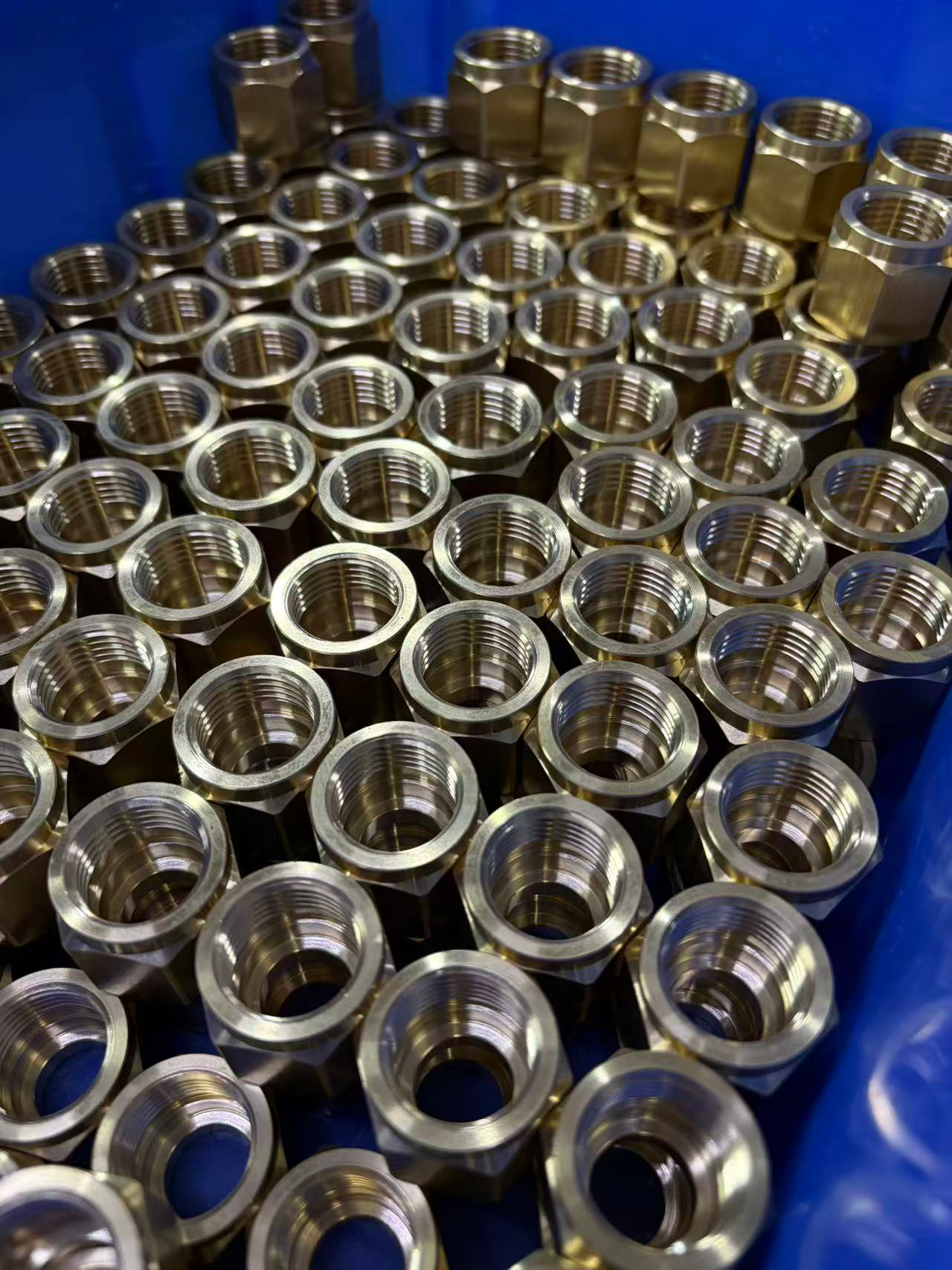
What Is Low-Volume CNC Machining? Scale, Scope, and Strategic Advantages
Low-volume CNC machining bridges the gap between prototyping and mass production, enabling efficient manufacturing of 10–10,000 units per batch. This approach transforms how businesses manage pilot runs, bridge production gaps, and fulfill specialized orders–without high-volume tooling investments.
Defining the Threshold: What Qualifies as Low-Volume CNC Machining?
When talking about low volume manufacturing, we're generally looking at quantities between around 50 and 5,000 units. But these numbers can change depending on what industry we're discussing. For instance, in aerospace where parts need certification, most operations stop at about 300 items max. Meanwhile, some industrial original equipment manufacturers might push their runs up to 10,000 units when there's strong aftermarket interest. What makes this approach work so well is standard tooling rather than one off custom jigs, which keeps those initial setup costs under control at roughly 15% or less of overall spending. The ability to scale quickly becomes really important these days since almost 8 out of 10 manufacturers struggle with predicting exactly how much product they'll need next quarter according to the latest machining trends data from 2024.
Low-Volume vs. Prototyping vs. High-Volume Production: Key Differences
Unlike prototyping (1–50 units, focused on form/function validation) or high-volume production (>10,000 units, requiring dedicated tooling and automation), low-volume CNC machining balances precision with economic viability. It excels at:
- Delivering near-mass-production quality without mold or die investments
- Maintaining 5–15 day lead times–versus 30–90 days for tooled production
- Enabling mid-run design adjustments at 60% lower revision costs
Industry Applications: Typical Batch Sizes in Aerospace, Medtech, and Industrial OEMs
Sector-specific volumes reflect distinct regulatory and operational priorities:
| Industry | Typical Batch Range | Primary Drivers |
|---|---|---|
| Aerospace | 10–200 units | Certification part batches |
| Medtech | 50–500 units | Clinical trial components |
| Industrial | 300–5,000 units | Aftermarket/spare part demand |
Aerospace leverages low-volume machining for iterative testing of titanium landing gear components; medtech uses it for biocompatible surgical instrument trials prior to full-scale validation.
Optimizing Cost Efficiency in Low-Volume CNC Machining
Breaking Down the Cost Structure: Setup, Materials, and Labor
When it comes to low volume CNC machining work, most shops see their expenses fall into three main buckets: setup costs which typically eat up between 30 to 50 percent of everything, then there's the raw materials themselves, and finally the skilled labor needed to run the machines. The setup stuff like programming the machine, getting it calibrated just right, and setting up all those fixtures? That's actually a fixed expense no matter how many parts are being made, and it hits smaller production runs especially hard. Looking at actual shop floor data, setup often takes longer and costs more than the actual cutting process for about seven out of ten jobs under 100 units. Waste material is another big concern. Shops can save quite a bit by making sure the stock they buy matches what the part needs. Some experienced machinists claim they've seen savings around 15 to 20 percent simply by doing this. Labor expenses come mainly from watching over operations and doing finish work after machining. But interestingly enough, when companies invest in automation systems for certain tasks, they find they need fewer workers hands-on during production, sometimes cutting manual labor requirements down by nearly two thirds in well controlled manufacturing settings.
Proven Strategies to Reduce Per-Part Costs Without Compromising Quality
When manufacturers apply Design for Manufacturability (DFM) right at the design stage, they can slash around 40-45% of those unnecessary costs just by making parts simpler and using more standard features throughout. Switching materials makes a big difference too. For example, replacing titanium with certain aerospace aluminum alloys when the application allows does wonders for both material spending and machining time, cutting these down anywhere between 25% and nearly half. Another smart move is multi-part nesting techniques that get more usable parts out of each block of stock material. This approach typically reduces waste by about 15-20%, depending on what's being produced. And let's not forget about tolerance standards. Going with ISO-2768 medium grade specifications and focusing precision efforts only on areas that really matter cuts down on quality control checks by roughly 30%, all while keeping everything fitting together properly during assembly.
| Cost Reduction Method | Typical Savings | Implementation Complexity |
|---|---|---|
| Design Simplification | 15–25% | Low |
| Material Optimization | 20–40% | Medium |
| Multi-Part Nesting | 12–22% | High |
| Tolerance Standardization | 8–30% | Medium |
Case Study: Achieving 42% Cost Reduction with Multi-Part Fixturing and Nesting
One medical device maker was paying around $147 per unit for titanium implant prototypes when they used old fashioned single part fixturing methods. When they redesigned their fixtures to handle four identical parts at once and brought in some smart nesting software, material waste dropped dramatically from 60% down to just 22%. Running multiple parts together shaved off 53% of the machine time needed per unit, and having standard tool paths meant no more messing around with individual part calibrations. What did this all mean? First run samples arrived within three days at $86 each, which beat their $90 goal, all while keeping complete ISO 13485 quality records intact. Later production runs actually hit $75 per unit after better tracking of tool life, showing that thinking differently about manufacturing processes can lead to huge cost reductions even when making smaller quantities.
Design for Manufacturability (DFM): Accelerating Production and Reducing Waste
Key DFM Principles That Streamline Quoting and Lower NRE Costs
Getting DFM right from the start before sending out those CAD files can really cut down on how long it takes to get quotes and save money on one-time engineering expenses. When designing parts, it helps to simplify things like removing undercuts that need special tools and swapping out complicated curves for standard radii that work with regular end mills. The same goes for holes and repeated features across multiple parts - keeping these consistent means fewer stops during machining when changing tools becomes necessary. Choosing materials wisely makes a big difference too. For instance, aluminum 6061 cuts about 38 percent faster than stainless steel, yet still works great for most industrial needs. Setting realistic tolerance ranges is another key area. Most projects actually only need ISO-2768 medium grade tolerances, which covers around 90 percent of situations without paying extra for super tight specs. Designers who focus on these DFM considerations tend to see roughly 30 percent fewer changes requested later on, which obviously brings down those costly NRE charges over time.
Common Design Mistakes That Increase Low-Volume CNC Costs
Frequent oversights compound costs in small-batch production, where setup dominates per-part pricing:
| Error Category | Cost Impact | Preventive Measure |
|---|---|---|
| Unnecessary tight tolerances | +45% machining/inspection time | Apply ASME Y14.5 GD&T only to critical interfaces |
| Isolated thin walls (<1mm) | 22% scrap rate increase | Maintain uniform 1.5x tool diameter wall thickness |
| Non-standard hole sizes | $120+ per custom tool | Align holes with standard drill bit inventory |
| Poor fixturing surfaces | 2–3x setup duration | Add parallel machining faces in primary datum planes |
Parts requiring fourth-axis machining due to overlooked access angles incur 70% higher programming costs–underscoring how design decisions directly impact manufacturability and cost.
Reducing Lead Time: From Design to Delivery in Agile Manufacturing
How Top Providers Deliver First Parts in Under 5 Business Days
Top manufacturers can now deliver parts in under a week thanks to their digital workflows where design reviews happen at the same time as production planning gets underway. When companies start buying materials while still looking at CAD designs and pull from existing tooling databases, this cuts down waiting periods by around three quarters according to the latest Manufacturing Lead Time numbers from 2024. Monitoring machines as they run lets factories move jobs around when there are delays, and sending inspection results through the cloud speeds up approval processes. These systems really make a difference for small batch CNC work that needs multiple revisions since getting feedback fast means fewer costly mistakes and quicker turnaround times overall.
Batching and Multi-Part Machining: Real Gains in Cycle Time
Strategically grouping components maximizes spindle utilization and minimizes non-cutting time:
| Technique | Setup Reduction | Cycle Time Improvement |
|---|---|---|
| Geometric Nesting | 40–55% | 30% |
| Family Batching | 60–70% | 50% |
| Tombstone Fixturing | 85%+ | 68% |
A medical device manufacturer achieved 58% faster turnaround using tombstone fixturing for 15 variants of titanium surgical guides–machining multiple orientations simultaneously and virtually eliminating secondary operations.
Is 'Zero-Setup' Automation Realistic–or Just Marketing Hype?
Fully autonomous changeovers remain aspirational for custom components–but hybrid automation delivers measurable gains:
- Pallet pool systems enable pre-staged jobs for near-instant machine reloading
- Offline tool presetting cuts calibration time by 90%
- Adaptive fixturing accommodates part families with <15-minute reconfiguration
True “zero-setup†production applies only to highly standardized parts. However, matched automation–scaled to part complexity–delivers 30–40% setup reduction for most low-volume work. Over-investment in automation without assessing part variability often increases costs without proportional time savings.
Choosing the Right Low-Volume CNC Service Provider: Key Selection Criteria
Beyond Price: Evaluating DFM Support, Capacity Flexibility, and Quality Traceability
Looking for a good manufacturing partner? Make sure they give honest DFM feedback upfront so nobody gets stuck paying for expensive redesigns later on. Check if they can actually handle sudden changes in production needs by asking to see their case studies. Some top shops have adjusted batches by as much as 40% either way within just three days when needed. For industries where safety is everything like aerospace or medical devices, insist on ISO 9001 certification with full traceability throughout the process. Real time inspection reports and proper tracking of material lots aren't optional extras here they're table stakes. The best companies these days also provide digital dashboards that let clients watch production progress in real time, which goes way beyond what most standard proposals even mention.
Red Flags in Vendor Selection: Overpromised Timelines and Lack of Transparency
Watch out for vendors who promise 48 hour delivery times but don't actually have the infrastructure to support that kind of turnaround. Most shops just can't run multiple shifts or handle automated workflows at scale, so these kinds of guarantees usually end up being empty promises that lead to major delays down the road. According to research published by Ponemon Institute last year, nearly seven out of ten machine shop projects experience setbacks because of unexpected workflow issues that weren't properly disclosed upfront. When reviewing supplier contracts, take extra time to look for those sneaky NRE charges that tend to pop up after the fact. And definitely steer clear of any company that refuses to walk through their entire production process with you first hand. There's a real connection between lack of transparency around quality control documentation and where materials come from, and how long projects actually take to complete. The AIAG folks have actually tracked this pattern and found that companies missing proper certification info typically run about 22 weeks behind schedule on average. Before signing anything, make sure to thoroughly check what kind of testing procedures they follow throughout manufacturing.
FAQs about Low-Volume CNC Machining
What is considered low-volume in CNC machining?
Low-volume in CNC machining generally refers to producing between 50 and 5,000 units, though this can vary by industry and specific needs.
How does low-volume CNC machining differ from prototyping and high-volume production?
Low-volume CNC machining balances precision with economic viability and does not require the high tooling investments of mass production, offering faster lead times and economic flexibility compared to both prototyping and high-volume production.
What are the cost reduction strategies in low-volume CNC machining?
Cost reduction strategies include Design for Manufacturability (DFM), material optimization, multi-part nesting, and standardizing tolerances, all aimed at reducing expenses without compromising quality.
What should I consider when selecting a CNC service provider?
Consider factors like upfront DFM support, capacity flexibility, quality traceability, real-time reporting capabilities, and transparent communication about timelines and costs.