
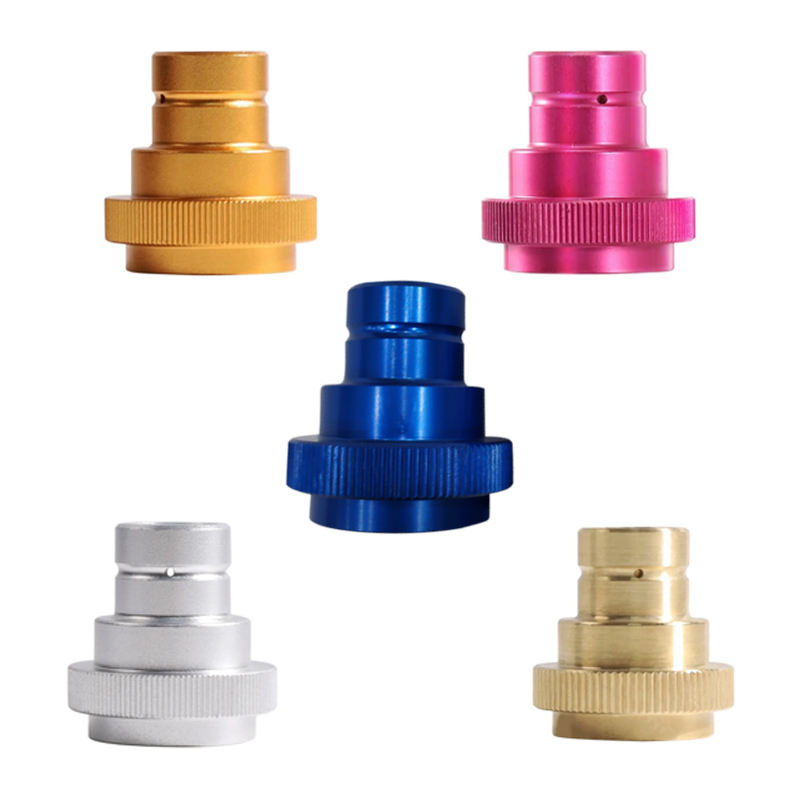
What Is a SodaStream Refill Adapter and How Does It Work?
Core function: Enabling safe, reusable CO2 tank interchangeability
The SodaStream refill adapter allows people to swap out those expensive proprietary CO2 cartridges for regular refillable tanks that usually weigh around 5 to 20 pounds. It basically acts as a safe connection point between the big tank and the soda maker itself. Switching to this setup can really cut down on CO2 expenses, saving anywhere from 40% to almost two thirds per liter made. Plus it helps eliminate all that single use plastic waste we've been talking about so much lately. What's interesting is how the adapter actually controls the gas flow at just the right pressure levels, somewhere between 60 and 80 psi. This makes sure the carbonation process stays safe and works properly, meeting all those important beverage safety requirements regarding purity and keeping contaminants away.
Critical components: TR21-4 thread interface, pressure regulator, sealing O-rings, and valve actuation mechanism
Four precision-engineered elements work in concert to deliver leak-free, repeatable performance:
| Component | Function | Key Specification |
|---|---|---|
| TR21-4 thread interface | Connects adapter to bulk CO2 tanks | Industry-standard 0.825"-14 threading prevents cross-compatibility errors and ensures mechanical integrity across 500+ connection cycles |
| Pressure regulator | Maintains consistent gas flow | Delivers stable 60–80 PSI output—optimal for carbonation quality and appliance longevity |
| Sealing O-rings | Creates airtight connections | Buna-N rubber formulation withstands repeated compression, temperature shifts, and pressure cycling without degradation |
| Valve actuation mechanism | Controls gas release | A precision-machined pin engages only when fully seated, preventing accidental or premature valve depression |
Together, these components eliminate the most common cause of home carbonation failure: undetected micro-leaks. Proper alignment and full seating are required before gas flow initiates—ensuring safety and consistency with every use.
SodaStream Refill Adapter Compatibility: Model-Specific Fit and CO2 Tank Standards
Matching adapters to your device: Fizzi, Sparkling, and Terra — key differences in pin height, seal depth, and dual-seal requirements
Getting devices to work together depends heavily on how well the parts line up mechanically. The basic Fizzi model needs pins that stick out more (around 6 to 7 mm) so they can properly press down those little valve things inside cartridges. More expensive options such as Sparkling and Terra actually need the seals to go in deeper (at least 2.5 mm) just to keep everything compressed when there's pressure applied. For Terra appliances specifically, having two seals instead of one is not just recommended it's pretty much required if anyone wants to avoid losing pressure over time while making carbonated drinks. Some tests have found that about two thirds of all gas leak problems come from using the wrong adapter. That statistic alone makes it clear why getting the right fit matters a lot for both safety reasons and how well these machines actually perform.
TR21-4 thread certification and refillable tank compatibility
TR21-4 is an international threading standard that has been verified through testing at both CGA and ISO certified laboratories. It ensures consistent dimensions of 0.825 inches with 14 threads per inch across all beverage grade CO2 cylinders on the market today. What does this mean practically? Well, it stops those dangerous situations where different brands' fittings don't match properly. Plus, it allows for secure and reliable connections when using third party refillable tanks that come with CGA-320 valves. These adapters typically feature dual O ring seals and work within pressure ranges between 55 to 85 pounds per square inch. Most importantly, they pass the rigorous tests required by leading appliance makers regarding pressure resistance and long term durability. Before making any purchases though, check carefully that whatever tank you choose matches exactly what your specific device requires in terms of pressure ratings and sealing arrangements.
Note: All model references denote device categories rather than brand endorsements.
Safety and Performance: Leak Prevention, Pressure Regulation, and Secure Installation
Why consistent 60–80 PSI regulation matters for carbonation quality and device longevity
Keeping CO2 delivery between 60 and 80 PSI matters a lot for both how drinks taste and what happens to the equipment over time. When pressure drops below 60 PSI, the carbonation just doesn't work right it comes out weak or all over the place. But crank it past 80 PSI and things start breaking down faster seals get worn out quicker, valves deform, and tiny cracks can form inside parts that nobody wants to replace. The numbers back this up too manufacturers report appliances last about 40% shorter when pressure isn't stable. Getting an adapter set properly makes all the difference maintaining that sweet spot where bubbles stay consistent without putting unnecessary strain on expensive machinery.
Installation best practices: avoiding cross-threading, verifying O-ring seating, and correct thumb-screw torque
Follow these field-validated steps to ensure long-term reliability:
- Align threads visually and manually before rotating—cross-threading creates irreversible metal damage to tank valves and adapter interfaces
- Inspect both O-rings for nicks, flattening, or debris, then seat them fully and evenly in their grooves
- Hand-tighten thumb-screws until firm resistance is felt, then apply one controlled quarter-turn—no tools required
- Test for leaks using diluted soapy water applied to all joints; bubbles indicate misalignment or compromised seals
Over-tightening distorts sealing surfaces and compresses O-rings beyond design limits, while under-tightening leaves gaps—even at ideal pressure. Real-world validation shows adherence to proper torque reduces leak incidents by 85% compared to ad-hoc tightening methods.
User Experience Considerations: Thumb-Screw vs. Pin-Height Design Trade-offs
Thumb screw and pin height adapters work differently—not rivals really, just made for different jobs. The thumb screw version focuses on quick installation without tools. Those big knobs let people swap tanks super fast, which works great for homes that need to refill their tanks every week or even several times a week. But there's a catch here. If someone doesn't tighten it enough, water might leak out. Go too hard and those threads get damaged instead. Pin height systems take a different approach altogether. They have these little pins that line up vertically and only connect properly when everything sits just right on the tank valve. No chance of cross threading at all and the seals stay consistent each time. Makes sense for setups where tanks get changed less often or maybe stay put for months. Thumb screws win hands down for folks who refill monthly. Anyone looking for something reliable over many years with hardly any maintenance should probably go with pin height. Pick what fits how often you actually need to change those tanks, not just what looks better.
FAQ
What is a SodaStream refill adapter?
A SodaStream refill adapter allows the use of refillable CO2 tanks instead of proprietary cartridges, offering a cost-effective and environmentally friendly solution for carbonating drinks.
How does the SodaStream refill adapter work?
The adapter connects to the soda maker and the CO2 tank, controlling gas flow and pressure to ensure safe and effective carbonation.
Are all SodaStream refill adapters compatible with every model?
No, compatibility varies by model. It’s important to match the adapter’s specifications with your device to prevent leaks and ensure proper functionality.
Why is maintaining pressure between 60-80 PSI crucial?
Consistent pressure ensures effective carbonation and longevity of the soda maker, preventing weaker drinks and potential mechanical damage.
Table of Contents
- What Is a SodaStream Refill Adapter and How Does It Work?
- SodaStream Refill Adapter Compatibility: Model-Specific Fit and CO2 Tank Standards
- Safety and Performance: Leak Prevention, Pressure Regulation, and Secure Installation
- User Experience Considerations: Thumb-Screw vs. Pin-Height Design Trade-offs