
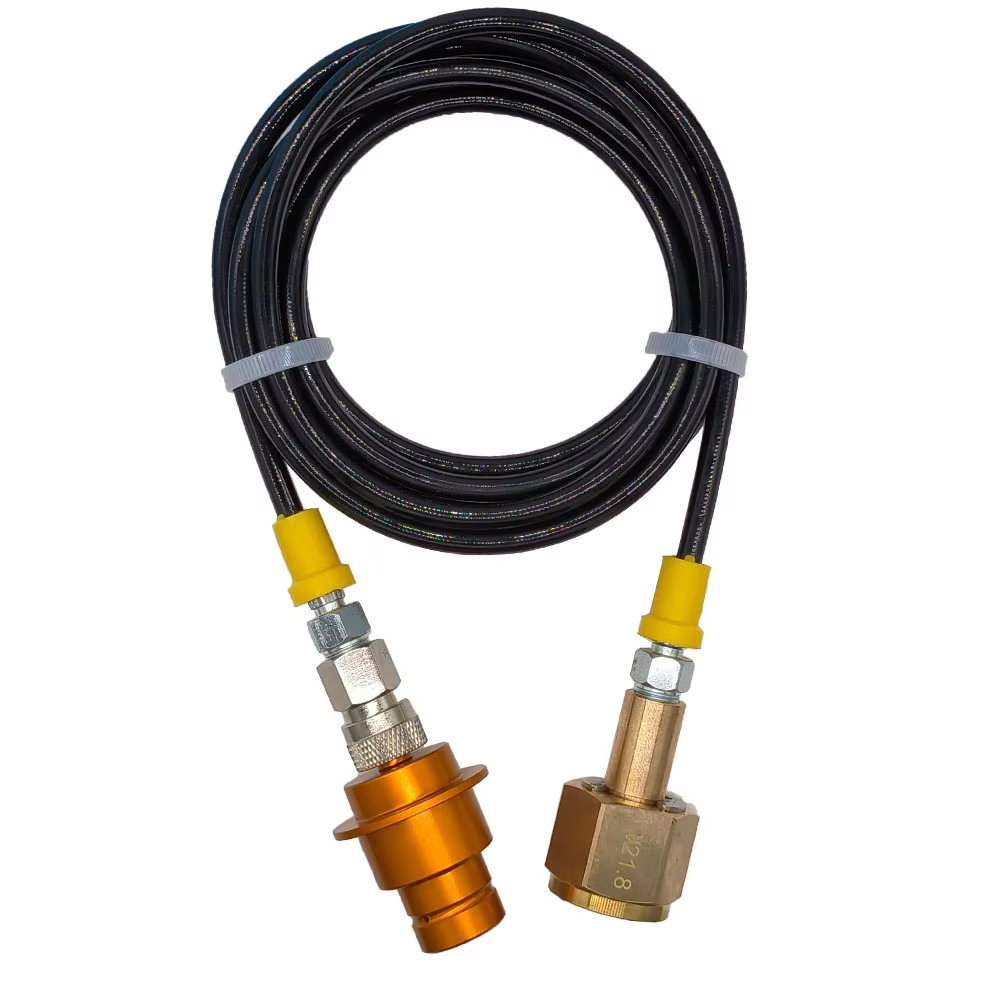
Identify Physical and Connection Issues with Your Soda Water Adapter
Spotting Leaks, Frost, or Hissing: Signs of Failed Seals or Regulator Degradation
When you hear hissing sounds or notice frost forming around the soda water adapter, it's usually a sign that something's wrong with the seals or maybe even the regulator itself. Most of these issues come down to old or worn out O-rings or fittings that have developed cracks over time, letting precious CO2 escape. According to some recent data from last year, about three quarters of all adapter problems actually start with bad sealing. For regular maintenance, try doing those monthly bubble tests with soapy water on every connection while there's still pressure in the system. Just look for any bubbles forming anywhere. If there are persistent leaks after checking, then it's probably time to replace those seals because damaged parts really mess with how well carbonation works, sometimes cutting efficiency by almost half. And remember to turn everything off completely and let all pressure out before starting any inspections, otherwise there might be an unexpected release of gas.
Inspecting Critical Contact Points: O-rings, CO₂ Inlet Fittings, and Quick-Connect Integrity
Systematically examine three high-failure components:
- O-rings: Look for cracks, flattening, or brittleness—even minor deformities compromise sealing.
- CO₂ inlet fittings: Check for intact threading and cross-threading; green patina on brass indicates corrosion that weakens structural integrity.
- Quick-connects: Confirm a firm “click” engagement and inspect internal seals for wear or deformation.
Monthly inspections prevent 72% of CO₂-related failures, per Beverage Systems Journal (2023). After disassembly, clean threads with a soft brush and replace thread sealants annually. Avoid over-tightening, which distorts fittings and accelerates wear—this preserves consistent PSI retention for reliable carbonation.
Diagnose Carbonation Failure and Flat Beverage Output
Confirming CO₂ Pressure Against Optimal Range (35–60 PSI) for Reliable Soda Water Adapter Performance
Most problems with poor carbonation happen when CO2 pressure drops below or goes above the sweet spot of around 35 to 60 PSI. If the pressure gets too low under 35 PSI, the gas just doesn't dissolve properly into the liquid. But push it past 60 PSI and there's real risk of damaging equipment components through over pressurization. A good idea is to grab a properly calibrated pressure gauge and test the regulator output regularly. Check things when nothing is running (static condition) as well as when dispensing actually happens (active condition), because sometimes regulator issues only show up when fluid is flowing through the system. Looking at industry numbers, roughly 7 out of 10 carbonation problems come down to pressure issues in one form or another. And almost nine times out of ten, those flat drinks we all hate are caused by pressures dropping below that critical 35 PSI threshold.
Evaluating Water Temperature and Flow Rate Effects on CO₂ Dissolution Efficiency
The temperature of water plays a major role in how well CO2 gets absorbed into it. When water warms up beyond 40 degrees Fahrenheit, every additional 10 degree increase cuts down on how much gas dissolves by about 15 percent. Keeping the incoming water between 34 and 40 degrees is really important for proper carbonation when it reaches the adapter. Flow rate matters too. If water moves through too fast (over 1.5 gallons per minute), there just isn't enough time for the gas to mix properly. But going too slow below half a gallon per minute creates problems with inconsistent carbonation levels throughout the batch. Something as small as a five degree temperature jump during busy periods can actually reduce carbonation quality by around 30%. To get good results, operators should monitor these factors closely and make adjustments as needed based on actual conditions rather than just following textbook specs.
- Install flow restrictors if rates exceed manufacturer specifications
- Insulate water lines to stabilize coolant temperatures
- Position CO₂ injection points immediately downstream of chilling units
Resolve Inconsistent or Intermittent Carbonation from Your Soda Water Adapter
Linking Unstable Output to Regulator Hysteresis, Solenoid Lag, or Pressure Fluctuations
When carbonation levels keep jumping around, it usually means something's wrong with how the adapter system works mechanically. The regulator has what's called hysteresis, which basically means it takes time to react when pressure changes happen. This delay causes CO2 delivery to either go way over or drop below the ideal 35-60 PSI range, leading to drinks that are either flat as a pancake or super fizzy. Things get worse when solenoids lag behind because they take forever to open and close properly, messing up the whole gas flow pattern. Even small temperature changes in the environment or tiny leaks can throw everything off balance. To figure out what's going on, watch those pressure gauges while running the machine. If the needle stays low under 35 PSI for long periods, look at the regulator or solenoid first. Wild swings on the gauge? Probably some hidden leak somewhere. Fix hysteresis problems by calibrating regulators every three months or so, and swap out any solenoids that take more than half a second to respond when triggered.
Decide Between Repair and Replacement for Your Soda Water Adapter
When troubleshooting persists, weigh repair costs against replacement investment. Replacing O-rings or seals typically costs under $15, but extensive regulator damage often exceeds $50—approaching the price of a new adapter ($65–$100). Research shows over 60% of carbonation system failures originate from seal degradation (Appliance Engineering Journal, 2023). Consider these factors:
| Action | When to Choose | Cost Estimate |
|---|---|---|
| Repair | Minor leaks, intact core components, adapter under 2 years old | $10–$30 |
| Replace | Persistent low pressure, frost buildup, or aged components (>3 years) | $65–$120 |
Key considerations:
- Age: Adapters older than 3 years face cumulative wear that impacts reliability and safety
- Error frequency: Intermittent issues often indicate repairable faults like solenoid lag or seal fatigue
- Safety: Frost or hissing signals potential CO₂ hazards requiring immediate action
Prioritize replacement when repairs exceed 40% of the cost of a new unit—or when recurring faults consistently compromise beverage quality and system safety.
FAQ
What are common signs of issues with a soda water adapter?
Common signs include hissing sounds or frost forming around the adapter, which may indicate issues with seals or the regulator.
How can I check for leaks in the soda water adapter?
Perform a monthly bubble test by applying soapy water to the connections under pressure and check for any bubbles forming.
What is the optimal CO₂ pressure range for soda water adapters?
The optimal range is between 35 and 60 PSI. Pressures below 35 PSI often lead to poor carbonation.
What affects CO₂ dissolution in the soda water?
Water temperature and flow rate significantly affect CO₂ dissolution. Keep water between 34-40°F and maintain a proper flow rate to ensure efficient CO₂ absorption.
When should I consider replacing my soda water adapter?
Consider replacing if facing persistent low pressure, frost buildup, or aged components over 3 years old. Prioritize replacement when repair costs exceed 40% of a new unit's price.