
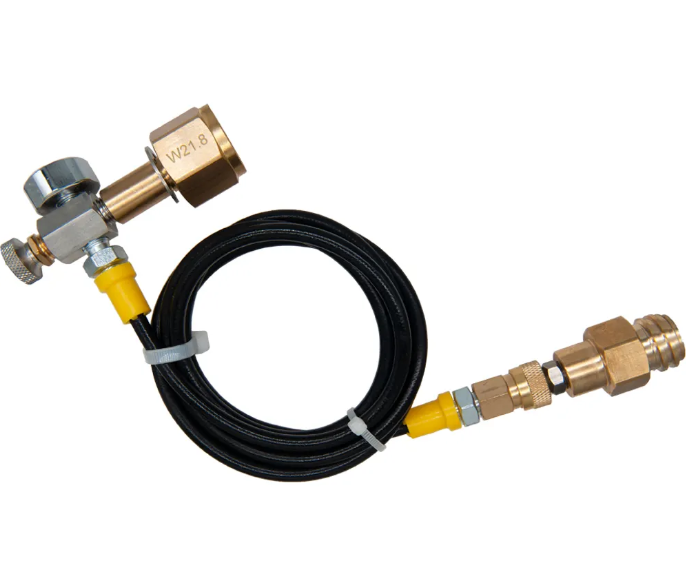
Enhancing Efficiency in Beverage Dispensing with Soda Quick Connect Valves
Rising Demand for Faster, More Flexible Beverage Systems
Operators in the beverage industry are under increasing pressure to manage bigger volumes while keeping service speeds up. The old school threaded connections keep causing alignment problems that waste precious time. According to last year's Food Service Tech Report, fixing these issues costs restaurants anywhere from 8 to 12 minutes each time during busy periods. No wonder there's growing interest in flexible alternatives such as soda quick connect valves. Places with heavy foot traffic want their systems to change configurations fast these days. Think about those multi-flavor dispensers that can switch from one drink to another within minutes instead of taking all day to reconfigure. And numbers back this up too. A recent study from the Fluid Handling Industry shows that using connectors without tools cuts down maintenance time by around three quarters. For anyone running a modern beverage operation where speed matters, these kinds of improvements aren't just nice to have they're becoming absolutely necessary for staying competitive.
How Quick Connect Technology Streamlines Dispensing Operations
Push to connect systems get rid of those pesky threaded fittings, letting beverage lines snap right into place in just seconds. No need for wrenches or any kind of calibration here. Studies show this cuts down on installation mistakes by about 43% across different fluid systems. The design itself is pretty clever too, combining a polymer sleeve with a stainless steel claw mechanism. This setup actually needs around 40% less effort when making connections compared to old school methods according to Fluid Power Journal from last year. What does that mean for actual operations? Well, workers can hook up syrup lines and CO2 lines in under three minutes flat, whereas before it used to take anywhere between 15 to 20 minutes. And these connections stay leak free even at pressures over 250 PSI, which keeps the quality of the beverages intact throughout the system. Plus, the whole process goes much faster, turning what was once a complicated setup into something straightforward that anyone can do repeatedly without issues.
Case Study: Multi-Flavor Soda Systems with Rapid Changeover
At a busy movie theater concession counter, they installed these quick connect valves throughout their 12 different flavored drink dispensers. The technicians can switch out the syrup lines now in just over two minutes flat, down from around six minutes previously which represents almost a two thirds speed boost. Even during rush hour when things get hectic, they still manage to serve over 300 drinks an hour without any hiccups in service. The carbonation stays good because of those special dry break seals that stop air getting in when switching flavors. According to the Beverage Industry Report for 2023, similar locations across the country saw nearly four fifths reduction in downtime between flavor changes after adopting this same method. Plus, since no tools are needed for maintenance, staff training gets cut way down, meaning more money coming in during those precious intermission periods when everyone wants something to drink.
Ensuring Leak-Free and Dry-Break Performance Under CO2 Pressure
Challenges of Disconnecting Carbonated Lines Without Spills
When it comes to disconnecting those carbonated drink lines under pressure, operators face some serious headaches particularly in busy locations where service never stops. The CO2 pressure inside these systems usually runs between 8 and 14 psi, which means whenever someone pulls a line loose, there's always this sudden rush of liquid spilling everywhere. These sticky messes need cleaning up fast before they start attracting bugs and other unwanted critters. And let's not forget the waste factor either. Studies show we lose around 7% of syrup every time this happens, something that really grates on managers who know how much money gets lost through poor hygiene practices in today's competitive market. Plus, all those constant pressure changes take their toll on the actual connections themselves. Over time, this leads to worn out parts and frequent breakdowns that nobody wants to deal with during peak hours.
How Dry-Break and Shut-Off Mechanisms Prevent Leaks
Advanced soda quick connect valves resolve these issues through integrated engineering:
- Dry-break sealing uses dual O-rings to create concentric seals before disengagement, trapping residual liquid within the line
- Automatic shut-off valves activate upon separation, isolating both supply and dispensing sides instantly
- Pressure-equalization channels gradually balance CO₂ levels before full disconnection
These mechanisms work sequentially to achieve zero-spill performance even at maximum operating pressures. Certified models maintain seal integrity through 50,000+ cycles according to beverage industry testing protocols, demonstrating exceptional durability.
| Mechanism | Function | Performance Benefit |
|---|---|---|
| Dual O-Rings | Create isolated fluid chambers | Prevents contact between beverage and atmosphere |
| Spring-Loaded Plungers | Instant physical separation of fluid pathways | Eliminates pressure-driven surges |
| CO2 Vent Channels | Gradual pressure equalization | Removes explosive disconnection risk |
Case Study: Reducing Waste in High-Turnover Soda Fountains
One major fast food brand rolled out NSF certified quick disconnect fittings at all their 325 stores nationwide specifically to cut down on wasted syrup and carbon dioxide. After putting these new systems in place, they saw some pretty impressive results. The amount of syrup spilled when switching between flavors dropped by almost two thirds during those changeovers. Monthly CO2 usage went down about 9.3 percent too. Plus each store saved around five minutes every day because there was no need for cleaning up spills anymore. All told, this added up to roughly $18k saved annually at each location. So clearly, getting rid of leaks makes good business sense for places where thousands of drinks get made every single day.
Meeting Food Safety Standards with FDA/NSF Compliant Materials
Risks of Contamination in Non-Compliant Fluid Pathways
When companies use materials that aren't certified for beverage dispensing systems, they open themselves up to major contamination problems. Materials with pores or reactive metals such as brass or those containing lead tend to release harmful substances into carbonated drinks when pressure builds up during dispensing. Microscopic cracks in these surfaces become breeding grounds for dangerous pathogens like E. coli and Listeria. Recent safety checks show biofilm growth jumps around three times higher in these conditions compared to proper materials. The consequences? Expensive product recalls that typically cost around seven hundred forty thousand dollars each time according to industry reports from last year. Plus, this practice breaks FDA rules found in Title 21 CFR Section 129.40 regarding cleanliness standards for parts that touch food directly.
Material Compatibility with Beverages and Cleaning Agents
FDA/NSF 51-certified polymers like PVDF, PEEK, and EPDM maintain integrity when exposed to acidic sodas, caustic Clean-in-Place (CIP) solutions, and high-pressure CO₂. Unlike generic plastics, these materials resist swelling, cracking, or chemical leaching after 500+ sanitation cycles. Key compatibility benchmarks include:
| Property | Test Standard | Compliant Threshold |
|---|---|---|
| Chemical Resistance | ASTM D543 | ±0.5% weight change |
| Extractables | FDA 21 CFR §177.2600 | <50ppb contaminants |
| Temperature Tolerance | NSF/ANSI 51 | -40°F to 275°F |
These standards ensure material inertness across diverse beverages—from high-sugar colas to citrus-based drinks.
Case Study: Quick-Connect Couplings in Beer and Water Purification Systems
One major national brewery recently swapped out all those old threaded fittings for NSF 61 certified quick connect systems after battling constant Pseudomonas issues for months. These new dry break valves feature electropolished 316L stainless steel throughout their fluid paths, plus those special crevice free seals that really stop microbes from hiding anywhere. After running some lab tests on the beer coming through these new systems, they saw nearly a 99.8% drop in overall bioburden levels. That translated to saving around 120 man hours each quarter on cleaning tasks alone. Water treatment facilities have had similar success stories too. Plants that installed these same valves reported hitting 100% compliance with EPA's Lead and Copper Rule requirements during routine sampling checks. Makes sense why so many operators are switching over now when dealing with fluids where contamination risks matter most.
Reducing Downtime and Maintenance Costs with Tool-Free Design
The Hidden Cost of Downtime in Commercial Beverage Operations
Every minute of system downtime represents lost revenue and operational disruption. Equipment failures causing service interruptions result in $740,000 in annual losses (Ponemon 2023) for mid-sized operations due to wasted ingredients, idle staff, and customer dissatisfaction. These costs are exacerbated when traditional threaded connections require tools and skilled technicians for repairs.
Time Savings from Tool-Free, Repeatable Connections
Soda quick connect valves revolutionize maintenance with intuitive push-to-connect mechanisms. Technicians replace components 70% faster without wrenches or specialized training, restoring service quickly. The quarter-turn release enables under-60-second part swaps during peak hours, while positive-seal technology prevents leaks. Maintenance shifts from hours-long disruptions to brief operational pauses.
| Maintenance Factor | Traditional System | Quick Connect System |
|---|---|---|
| Avg. repair time | 45 minutes | 5 minutes |
| Tools required | 3–5 specialty tools | None |
| Technician skill level | Advanced | Basic |
Strategy: Optimizing Technician Workflows and System Uptime
Operators who stay ahead of problems often run training sessions that teach people how to spot signs of wear on those soda quick connect valves. When spare parts are kept ready at main service spots around the facility, regular workers can handle most basic maintenance tasks themselves. This means the real experts aren't tied up with simple fixes but can focus on tricky diagnostic work instead. The result? Equipment stays running pretty much all the time thanks to these planned swap outs. Facilities using this approach typically see their machines available for operation over 99 percent of the time when everything goes according to plan.
Supporting Hygiene and Clean-in-Place (CIP) Integration
Preventing Biofilm Buildup in Beverage Dispensing Lines
Leftover sugar residue in soda dispensing lines leads to biofilm buildup - basically a gooey bacterial coating that messes with drink quality and makes flavors taste off. The good news is newer equipment tackles this problem through self-draining quick connect valves that stop liquids from sitting around. These systems also feature smoother inner channels constructed from materials approved for food contact, which makes it harder for microbes to stick around. As a result, cleaning requirements drop significantly, somewhere around 35 percent less than traditional threaded connections according to industry reports. This means less downtime for maintenance and better tasting beverages overall.
Design Features That Enable Efficient CIP Cycles
Effective Clean-in-Place (CIP) protocols depend on valves built for chemical and thermal resilience:
- Full-bore flow paths allow unimpeded circulation of cleaning solutions
- Automated shut-off contains fluids during disconnection
- Temperature tolerance up to 185°F supports hot sanitizer cycles
These features support 22-minute CIP cycles validated to remove 99.8% of residues in commercial fountain systems.
Case Study: Improved Sanitation Metrics with Full-Flow Valves
A national juice chain installed full-flow quick disconnects across 200+ dispensers. Post-installation testing showed ATP swab failures dropped from 18% to 2%, a monthly cleaning time reduction from 40 to 25 hours, and a 91% drop in cross-contamination incidents over six months. The zero-dead-space design eliminated hard-to-clean crevices, significantly improving overall sanitation performance.
FAQ
What are the primary benefits of using soda quick connect valves over traditional threaded connections?
Quick connect valves significantly reduce installation and maintenance time, eliminate the need for specialized tools, prevent leaks even under high pressure, and improve system reconfiguration, making them ideal for high-volume beverage operations.
How do quick connect valves deal with beverage contamination risks?
These valves use FDA/NSF compliant materials like PVDF and PEEK that resist chemical leaching and bacterial growth, significantly lowering contamination risks and surpassing food safety standards.
Can quick connect valves be used in non-carbonated beverage systems?
Yes, quick connect valves are versatile and can be used in both carbonated and non-carbonated beverage systems, as well as other fluid handling applications, thanks to their reliability and ease of use.
What type of maintenance is required for quick connect valves?
Minimal maintenance is needed; regular inspections to check wear and appropriate cleaning as per CIP protocols suffice. Their push-to-connect design allows for quick part replacements, significantly reducing downtime.
Table of Contents
- Enhancing Efficiency in Beverage Dispensing with Soda Quick Connect Valves
- Ensuring Leak-Free and Dry-Break Performance Under CO2 Pressure
- Meeting Food Safety Standards with FDA/NSF Compliant Materials
- Reducing Downtime and Maintenance Costs with Tool-Free Design
- Supporting Hygiene and Clean-in-Place (CIP) Integration
- FAQ