
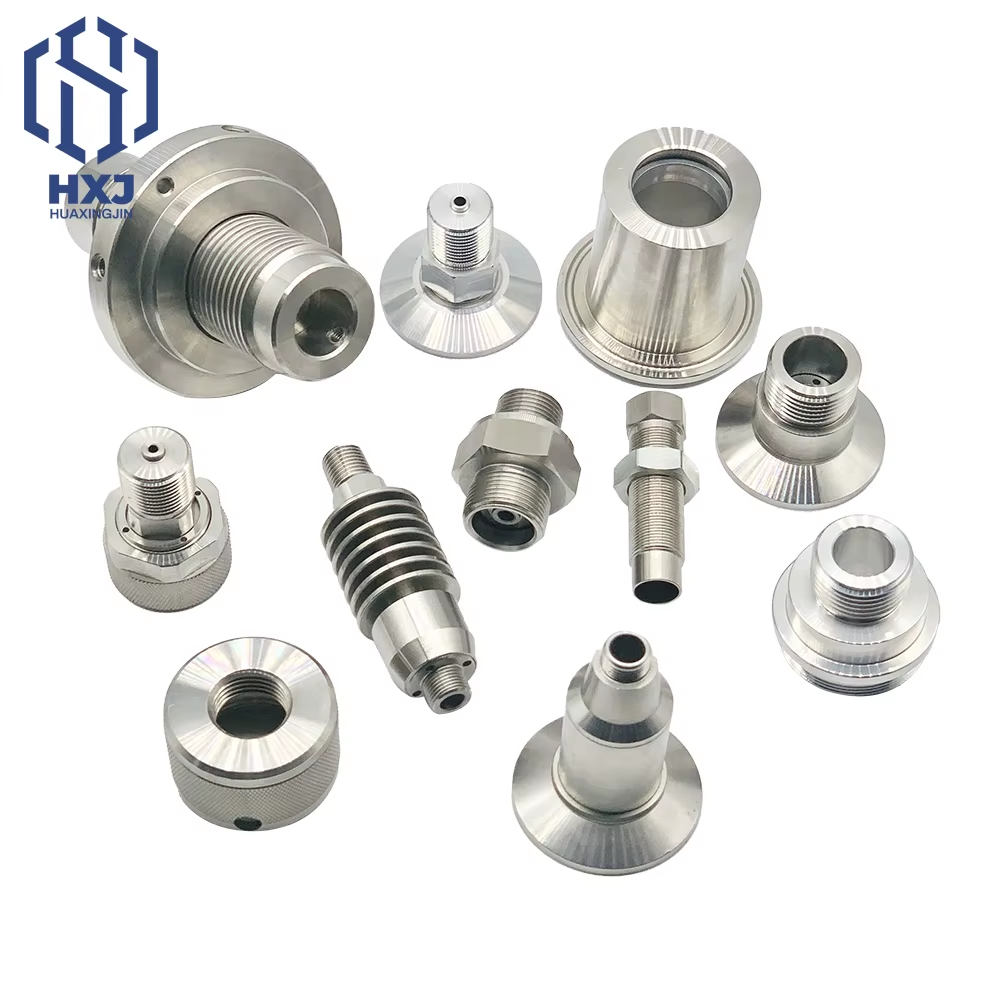
จับคู่รูปทรงและระดับความซับซ้อนของชิ้นงานกับขีดความสามารถของการกลึงด้วยเครื่อง CNC
การเปรียบเทียบการกลึงแบบ 3 แกน กับแบบ 5 แกน กับการกลึงแบบหมุน (Turning): แต่ละกระบวนการเหมาะกับกรณีใด ขึ้นอยู่กับรูปร่าง ลักษณะพิเศษของชิ้นงาน และความเข้าถึงพื้นผิวชิ้นงาน
การเลือกวิธีการกลึงด้วยเครื่อง CNC ที่เหมาะสมนั้นขึ้นอยู่กับการพิจารณาเรขาคณิตของชิ้นส่วนเป็นอันดับแรก เครื่องกลึงแบบสามแกน (3-axis) เหมาะสมที่สุดสำหรับชิ้นส่วนที่มีลักษณะคล้ายกล่อง ซึ่งเราพบเห็นได้บ่อย เช่น แผ่นโลหะ (plates), รูปทรงลูกบาศก์ที่เรียบง่าย, ตัวเรือน (housing units) — โดยทั่วไปคือชิ้นส่วนที่มีพื้นผิวเรียบและไม่มีลักษณะเด่นที่ลึกมากจนสามารถขึ้นรูปได้ในหนึ่งครั้งโดยไม่ต้องปรับตำแหน่งซ้ำหรือเปลี่ยนแปลงอุปกรณ์จับยึดมากนัก เมื่อความซับซ้อนเพิ่มขึ้น เช่น ชิ้นส่วนที่มีรูปทรงโค้งมนหรือมีลักษณะเป็นธรรมชาติ (organic shapes) ตัวอย่างเช่น ใบพัดเทอร์ไบน์ (turbine blades), ใบพัดของปั๊ม (impeller designs) หรือแม้แต่บางส่วนประกอบของอุปกรณ์ทางการแพทย์ — ตรงนี้เองที่เครื่อง CNC แบบห้าแกน (5-axis CNC) จะแสดงข้อได้เปรียบอย่างชัดเจน โดยเครื่องดังกล่าวช่วยให้ผู้ผลิตสามารถกลึงชิ้นงานจากหลายมุมพร้อมกันได้ โดยไม่จำเป็นต้องหยุดการทำงานเพื่อปรับตำแหน่งชิ้นงานด้วยตนเอง หรือเปลี่ยนอุปกรณ์จับยึดระหว่างกระบวนการผลิต และอย่าลืมว่าการกลึงแบบหมุน (turning operations) ยังคงเป็นวิธีหลักที่ใช้กันอย่างแพร่หลายสำหรับชิ้นส่วนทรงกระบอก เช่น เพลา (shafts), ปลอกรอง (bushings) และข้อต่อต่าง ๆ (fittings) ทั่วไป เนื่องจากคุณภาพของผิวสัมผัส (surface finish) มักจะดีกว่า และค่าความกลม (roundness specs) มีความแม่นยำสูงกว่าเมื่อเปรียบเทียบกับการกัด (milling) ที่ทำกับชิ้นส่วนที่มีความสมมาตรเหล่านี้
ปัจจัยสำคัญที่มีผลต่อการตัดสินใจ ได้แก่:
- ความซับซ้อนของรูปร่าง : 3 แกนสำหรับรูปทรงเชิงมุมและเรขาคณิตแบบระนาบ; 5 แกนสำหรับพื้นผิวที่มีรูปทรงโค้งซับซ้อนและหลายระนาบ
- ความสามารถในการเข้าถึงลักษณะพิเศษ (Feature accessibility) : โพรงลึก รูเอียง หรือส่วนที่เว้าเข้าด้านในมักต้องใช้กลยุทธ์การเอียง/หมุนแบบ 5 แกนเพื่อรักษาช่องว่างระหว่างเครื่องมือกับชิ้นงาน และหลีกเลี่ยงการชนกัน
- การลดขั้นตอนการตั้งค่า : การขึ้นรูปแบบ 5 แกนสามารถรวมการดำเนินการบนหลายพื้นผิวไว้ในหนึ่งการตั้งค่า—ลดความคลาดเคลื่อนสะสมและเวลาในการจัดการชิ้นงาน
ข้อจำกัดของเรขาคณิตที่สำคัญ: ส่วนที่เว้าเข้าด้านใน โพรงลึก ผนังบาง และลักษณะรูปทรงที่มีมุมหลากหลาย
รูปทรงเรขาคณิตของชิ้นส่วนมีผลกระทบอย่างมากต่อวิธีการผลิต ความทนทานของเครื่องมือ และคุณภาพของผลิตภัณฑ์สำเร็จรูป เมื่อต้องจัดการกับลักษณะที่มีส่วนเว้า (undercuts) ผู้ผลิตมักจำเป็นต้องใช้เครื่องมือพิเศษ เช่น เครื่องมือที่มีรูปร่างคล้ายลูกอม หรืออาศัยเทคนิคการเอียงเครื่องจักรแบบ 5 แกนอย่างชาญฉลาด เพื่อหลีกเลี่ยงปัญหาการขัดขวาง (clearance issues) โดยไม่เกิดการชนกัน (collisions) สำหรับโพรง (cavities) ที่ลึกกว่าสามเท่าของความกว้างของเครื่องมือตัด จะมีความเสี่ยงเสมอที่เครื่องมือจะโค้งงอมากเกินไป และทำให้ผนังไม่ตรงตามมาตรฐาน ในการจัดการปัญหานี้ ช่างกลึงอาจเปลี่ยนมาใช้เส้นทางการตัดแบบ trochoidal ลดขนาดของการตัดแต่ละครั้งลง (cut smaller steps) หรือใช้เทคนิคการขึ้นรูปเบื้องต้นแบบปรับตัว (adaptive roughing) แทน ผนังบางที่มีความหนาน้อยกว่า 0.5 มิลลิเมตร มักสั่นสะเทือนและบิดงอระหว่างกระบวนการขึ้นรูป วิธีแก้ไขโดยทั่วไป ได้แก่ การใช้เส้นทางการตัดที่นุ่มนวล การหมุนแกนหมุน (spindle) ด้วยความถี่สูงขึ้น และบางครั้งอาจต้องเพิ่มโครงสร้างรองรับชั่วคราวซึ่งจะถูกถอดออกภายหลัง ชิ้นส่วนที่มีมุมหลายมุมทำให้เกิดความยุ่งยากในการตั้งค่าและการจัดแนว (setup and alignment) จึงเป็นเหตุผลที่โรงงานจำนวนมากหันมาใช้เครื่องจักรแบบ 5 แกน เมื่อความแม่นยำมีความสำคัญสูงสุด และการรวมกระบวนการทำงานหลายขั้นตอนไว้ในหนึ่งครั้งของการตั้งค่า (one setup) มีความจำเป็น
แนวทางปฏิบัติที่ดีที่สุดสำหรับการออกแบบเพื่อการผลิต ได้แก่:
- เพิ่มรัศมีของฟิลเล็ตบริเวณจุดเปลี่ยนผ่านของโพรง เพื่อปรับปรุงการเข้าถึงของเครื่องมือและลดความเข้มข้นของแรงเครียด
- ระบุค่าความคลาดเคลื่อนที่ ±0.1 มม. เฉพาะเมื่อมีความจำเป็นเชิงหน้าที่เท่านั้น — เพื่อหลีกเลี่ยงการเพิ่มต้นทุนโดยไม่จำเป็น
- จำกัดอัตราส่วนความลึกต่อความกว้างของส่วนที่อยู่ใต้ขอบ (undercut) ให้ไม่เกิน 1:1 เพื่อให้สามารถใช้เครื่องมือมาตรฐานได้ หรือลดการใช้โซลูชันที่ต้องออกแบบพิเศษให้น้อยที่สุด
ทำการสร้างต้นแบบในระยะเริ่มต้น — โดยเฉพาะสำหรับรูปทรงเรขาคณิตที่มีความเสี่ยงสูง — เพื่อยืนยันความเป็นไปได้และเปิดเผยข้อจำกัดที่ซ่อนอยู่ก่อนเริ่มการผลิตเต็มรูปแบบ
จัดสอดคล้องคุณสมบัติของวัสดุกับกระบวนการกัดด้วยเครื่อง CNC ที่เหมาะสมที่สุด
อลูมิเนียม ไทเทเนียม และเหล็กกล้าที่ผ่านการชุบแข็ง: ความนำความร้อน ความแข็ง และลักษณะการเกิดชิป ส่งผลต่อการเลือกกระบวนการอย่างไร
พฤติกรรมของวัสดุส่งผลต่อทุกสิ่ง ตั้งแต่วิธีการตัด ทางเลือกของเครื่องมือ ไปจนถึงความเป็นไปได้ที่กระบวนการนั้นจะดำเนินการได้จริง ยกตัวอย่างเช่น อลูมิเนียม ความสามารถในการนำความร้อนได้ดีมากของมันหมายความว่ามันจะเย็นตัวลงอย่างรวดเร็วระหว่างการกลึง ซึ่งทำให้ผู้ปฏิบัติงานสามารถเพิ่มความเร็วในการหมุนและอัตราการป้อน (speeds and feeds) ได้มากกว่าเมื่อเปรียบเทียบกับโลหะชนิดอื่น แต่มีข้อควรระวังอยู่ คือ อลูมิเนียมมีความนุ่มค่อนข้างมาก จึงมักเกิดการสะสมของเศษวัสดุที่ขอบตัด (built-up edge) และสร้างรอยหยักหรือเศษคม (burrs) ที่น่ารำคาญซึ่งเราทุกคนไม่ชอบ นี่จึงเป็นเหตุผลว่าทำไมเครื่องมือที่คมจึงมีความสำคัญอย่างยิ่งในกรณีนี้ รวมทั้งระบบกำจัดเศษชิ้นงาน (chip removal) ที่มีประสิทธิภาพด้วย ทีนี้พิจารณาโลหะผสมไทเทเนียม เช่น Ti-6Al-4V โลหะผสมเหล่านี้แทบไม่นำความร้อนเลย ความร้อนจึงสะสมอยู่บริเวณจุดที่เกิดการตัดโดยตรง ทำให้วัสดุแข็งขึ้นขณะถูกขึ้นรูป ช่างกลึงจึงจำเป็นต้องลดความเร็วในการทำงานลงอย่างมาก ใช้น้ำหล่อลื่นแรงดันสูง จัดตั้งเครื่องจักรให้มีความแข็งแรงและมั่นคงสูงมาก และเลือกใช้เครื่องมือที่เคลือบด้วย PVD หรือเครื่องมือคาร์ไบด์ที่มีผิวหน้าร่องตัดเรียบลื่น ต่อมาคือ เหล็กที่ผ่านการชุบแข็งจนมีค่าความแข็งเหนือ 45 ตามมาตรา Rockwell วัสดุประเภทนี้จะก่อให้เกิดเศษชิ้นงานที่เปราะและหักง่าย ซึ่งสึกหรอแนวข้างของใบมีดเครื่องมืออย่างรวดเร็ว เพื่อจัดการกับวัสดุเหล่านี้อย่างเหมาะสม โรงงานส่วนใหญ่มักเปลี่ยนไปใช้เครื่องมือเซรามิกหรือโบรอนไนไตรด์แบบลูกบาศก์ (cubic boron nitride) ควบคุมความลึกของการตัดให้ตื้น และตรวจสอบให้แน่ใจว่าเครื่องจักรมีความมั่นคงแข็งแรงอย่างสมบูรณ์ตลอดกระบวนการ
รูปร่างของเศษชิ้นงานยังส่งผลต่อการเลือกกระบวนการเพิ่มเติม: เศษชิ้นงานของอลูมิเนียมที่เป็นเส้นต่อเนื่องจำเป็นต้องถูกกำจัดออกอย่างมีประสิทธิภาพเพื่อป้องกันไม่ให้ถูกตัดซ้ำ; เศษชิ้นงานของไทเทเนียมที่มีลักษณะเหนียวติดเครื่องต้องใช้เรขาคณิตของคมตัดที่คมมากและมุมเฉือนสูงเพื่อหลีกเลี่ยงการเชื่อมใหม่; ส่วนเศษชิ้นงานของเหล็กกล้าที่ผ่านการอบแข็งแล้วซึ่งแตกเป็นชิ้นเล็กๆ ต้องควบคุมอย่างระมัดระวังเพื่อป้องกันความเสียหายต่อพื้นผิวและแรงกระแทกที่กระทำต่อเครื่องมือ
ดังนั้น การกลึงความแม่นยำจึงเหมาะอย่างยิ่งสำหรับชิ้นส่วนทรงกระบอกจากอลูมิเนียมที่ผลิตในปริมาณสูง ขณะที่การกัดแบบ 5 แกน—ร่วมกับระบบหล่อเย็นแรงดันสูงผ่านแกนหมุนของเครื่อง—เป็นที่นิยมใช้สำหรับโครงสร้างอากาศยานที่ทำจากไทเทเนียม ส่วนชิ้นส่วนเหล็กกล้าที่ผ่านการอบแข็งแล้วจะได้รับประโยชน์จากกระบวนการทำงานแบบผสมผสาน: ขั้นตอนการกัดหยาบด้วยเครื่องกัดตามด้วยขั้นตอนการขัดแต่งด้วยเครื่องเจียร์ เพื่อให้บรรลุข้อกำหนดด้านมิติและความสมบูรณ์ของโครงสร้างโลหะที่เข้มงวด
ให้ค่าความคลาดเคลื่อนที่ยอมรับได้ (Tolerances), คุณภาพพื้นผิว (Surface Finish) และมาตรฐานการระบุรูปร่างและตำแหน่งทางเรขาคณิต (GD&T) เป็นตัวกำหนดการเลือกกระบวนการขึ้นรูปด้วยเครื่องจักร CNC สุดท้าย
เมื่อมีข้อกำหนดด้านความคลาดเคลื่อนที่เข้มงวดหรือข้อกำหนด GD&T ที่สำคัญ จำเป็นต้องใช้กระบวนการแบบผสมผสาน (เช่น การกัด + การเจียร์) หรือการตรวจสอบความถูกต้องเฉพาะต่อกระบวนการ
เมื่อพูดถึงการผลิต ค่าความคลาดเคลื่อนที่ยอมรับได้ (tolerances), ผิวสัมผัสของชิ้นงาน (surface finishes) และข้อกำหนดด้านเรขาคณิตของชิ้นส่วน (GD&T specs) ไม่ใช่เพียงรายละเอียดเสริมเท่านั้น แต่ยังเป็นตัวกำหนดโดยตรงว่าชิ้นส่วนนั้นจะทำงานได้ดีเพียงใด และสามารถใช้กระบวนการผลิตแบบใดได้บ้าง สำหรับการกัดด้วยเครื่อง CNC และการกลึงแบบมาตรฐานทั่วไป มักควบคุมค่าความคลาดเคลื่อนได้ที่ประมาณ ±0.05 มม. อย่างไรก็ตาม การลดค่าความคลาดเคลื่อนให้เหลือ ±0.025 มม. หรือดีกว่านั้นจะกลายเป็นเรื่องที่ท้าทายมาก โดยเฉพาะเมื่อมีข้อกำหนดเกี่ยวกับตำแหน่ง (position), ความสมมาตรเชิงแกน (concentricity) หรือความแบนราบ (flatness) ซึ่งข้อกำหนดที่เข้มงวดยิ่งขึ้นเหล่านี้มักเกินขีดความสามารถในการทำงานอย่างเชื่อถือได้ของเครื่องจักรแบบดั้งเดิม นี่คือจุดที่การผสมผสานเทคนิคต่าง ๆ เข้าด้วยกันจะให้ผลลัพธ์ที่เหมาะสมที่สุด ตัวอย่างเช่น การดำเนินการกัดเบื้องต้นก่อนตามด้วยการขัดตกแต่งด้วยเครื่องเจียรแบบความแม่นยำสูง จะช่วยให้บรรลุค่าความคลาดเคลื่อนในระดับไมครอน ซึ่งจำเป็นสำหรับวัสดุที่ผ่านการชุบแข็งแล้ว ขณะเดียวกัน ศูนย์กลึงแบบมีอุปกรณ์ตัดแบบหมุนได้ (live tooling turning centers) ก็เป็นอีกทางเลือกหนึ่ง โดยรวมการดำเนินการหลายขั้นตอน เช่น การกัด การเจาะ และการตัดเกลียว ไว้ภายในการตั้งค่าชิ้นงานเพียงครั้งเดียว สำหรับชิ้นส่วนที่มีรูปทรงซับซ้อนและหมุนได้
ข้อกำหนดเกี่ยวกับคุณภาพผิวของชิ้นงานยังมีอิทธิพลต่อการตัดสินใจเลือกวิธีการผลิตด้วย ตัวอย่างเช่น พื้นผิวที่ต้องการการปิดผนึกซึ่งมีค่าความหยาบของผิว (Ra) ต่ำกว่า 0.8 ไมครอน พื้นผิวของคอเพลาที่รองรับแบริ่งซึ่งต้องการความเรียบเสมือนกระจก หรือฐานยึดอุปกรณ์ออปติคัลที่ต้องการความผิดเพี้ยนของผิว (waviness) ต่ำกว่าหนึ่งไมครอน อาจจำเป็นต้องใช้กระบวนการเสริมหลังจากการกลึงด้วยเครื่อง CNC ขั้นต้น เช่น การเจียรผิว (honing), การขัดผิวด้วยแผ่นขัด (lapping) หรือการขัดผิวด้วยกระแสไฟฟ้า (electrochemical polishing)
ชิ้นส่วนที่อยู่ภายใต้มาตรฐานการบิน AS9100 ข้อกำหนดด้านการแพทย์ ISO 13485 หรือข้อกำหนดเฉพาะสำหรับอุตสาหกรรมนิวเคลียร์ จำเป็นต้องมีมาตรการมากกว่าการตรวจสอบแบบปลายสายการผลิต (end-of-line checks) ทั่วไปเท่านั้น ดังนั้น การตรวจสอบและยืนยันความถูกต้องตามกระบวนการเฉพาะจึงมีความจำเป็นอย่างยิ่งสำหรับการใช้งานเหล่านี้ แล้วสิ่งนี้หมายความว่าอย่างไรกันแน่? ผู้ผลิตจำเป็นต้องดำเนินการต่าง ๆ เช่น การวัดด้วยเครื่องวัดพิกัด (coordinate measuring machine) อย่างต่อเนื่องระหว่างการผลิตจริง การทำแผนที่ความหยาบของผิวหน้าขณะผลิตจริง การคำนึงถึงผลกระทบจากความแปรปรวนของอุณหภูมิ (thermal drift) และการบันทึกข้อมูลอย่างละเอียดเกี่ยวกับการสึกหรอของเครื่องมือตลอดวงจรการผลิตทั้งหมด ขั้นตอนเหล่านี้ทั้งหมดช่วยให้รักษาความสอดคล้องตามข้อกำหนดด้านกฎระเบียบได้อย่างมีประสิทธิภาพ ไม่ว่าขนาดของแต่ละล็อตการผลิตจะมากหรือน้อยเพียงใด นอกจากนี้ยังช่วยป้องกันปัญหาที่อาจเกิดขึ้นในอนาคต ซึ่งแม้แต่ความคลาดเคลื่อนด้านมิติที่เล็กน้อยก็อาจนำไปสู่ประเด็นด้านความปลอดภัยที่รุนแรง หรือส่งผลต่อประสิทธิภาพการทำงานของอุปกรณ์ในสถานการณ์ที่มีความสำคัญสูง
สมดุลระหว่างต้นทุน เวลาในการผลิต (lead time) และความซ้ำซ้อนได้ (repeatability) ทั่วทั้งตัวเลือกการกลึงด้วยเครื่อง CNC
เมื่อเลือกวิธีการกลึงด้วยเครื่องจักร CNC ผู้ผลิตจำเป็นต้องหาจุดสมดุลระหว่างปัจจัยหลักสามประการ ได้แก่ งบประมาณที่ใช้ไป ระยะเวลาที่ใช้ในการผลิตชิ้นส่วน และความสม่ำเสมอของผลลัพธ์ระหว่างแต่ละล็อตการผลิต วัสดุเองมักคิดเป็นประมาณครึ่งหนึ่งของต้นทุนรวมของชิ้นส่วนหนึ่งชิ้น หรืออาจมากกว่านั้นในกรณีที่ใช้วัสดุราคาแพง เช่น ไทเทเนียม หรือโลหะผสมพิเศษ ด้วยเหตุนี้ การลดของเสียและเพิ่มประสิทธิภาพการใช้วัตถุดิบแต่ละแผ่นให้สูงสุดผ่านการวางแผนการจัดวางอย่างชาญฉลาดจึงมีความสำคัญยิ่ง หลาย ๆ คนไม่รู้ว่าระยะเวลาในการกลึงไม่ได้เพิ่มขึ้นตามสัดส่วนกับระดับความซับซ้อนของงานเสมอไป ตัวอย่างเช่น แม้การใช้งานเครื่องจักรแบบ 5 แกนจะดูมีค่าใช้จ่ายสูงต่อชั่วโมง แต่ระบบขั้นสูงเหล่านี้กลับสามารถลดเวลาการผลิตโดยรวมได้จริง เนื่องจากหลีกเลี่ยงความจำเป็นในการตั้งค่าเครื่องหลายครั้ง การปรับแนวใหม่ และขั้นตอนเพิ่มเติมอื่น ๆ ซึ่งมักเป็นสาเหตุของการเกิดข้อผิดพลาดระหว่างกระบวนการ
เมื่อพูดถึงการผลิตชิ้นส่วนจำนวนมาก การกัดแบบอัตโนมัติด้วยเครื่องกัด 3 แกนจะโดดเด่นด้วยความสม่ำเสมอที่ยอดเยี่ยมอย่างยิ่ง ด้วยเส้นทางการตัดมาตรฐานร่วมกับอุปกรณ์ยึดชิ้นงานที่เชื่อถือได้ ผู้ผลิตจึงสามารถคาดหวังความแม่นยำประมาณ 0.025 มม. สำหรับแต่ละชิ้นที่ผลิต แม้ในกรณีที่ผลิตเป็นจำนวนหลายพันชิ้นก็ตาม ประสิทธิภาพที่สามารถทำซ้ำได้ในระดับนี้จึงมีความสำคัญอย่างยิ่งต่อการผลิตในปริมาณมาก ในทางกลับกัน การผลิตชิ้นส่วนในปริมาณน้อยหรือการสร้างต้นแบบมักจำเป็นต้องลงทุนในเครื่องกัด 5 แกน แม้จะมีต้นทุนสูงกว่าก็ตาม เครื่องระบบขั้นสูงเหล่านี้ช่วยลดระยะเวลาการรอคอย กำจัดขั้นตอนการจัดการเพิ่มเติม และช่วยให้วิศวกรสามารถประเมินประสิทธิภาพจริงของแบบออกแบบก่อนจะเริ่มการผลิตในระดับเต็มรูปแบบ หลายโรงงานพบว่าวิธีการนี้คุ้มค่าในระยะยาว โดยเฉพาะอย่างยิ่งเมื่อจัดการกับรูปทรงเรขาคณิตที่ซับซ้อนซึ่งจำเป็นต้องตรวจสอบและยืนยันความถูกต้องตั้งแต่เนิ่นๆ
สถานการณ์การใช้งานกําหนดความสําคัญ: ส่วนประกอบด้านอากาศและการแพทย์ให้ความสําคัญต่อการติดตามรอย, การควบคุมกระบวนการทางสถิติ (SPC) และการซ้ําความผิดพลาดศูนย์ - แม้จะใช้ค่าบริการสูง - ในขณะที่อุปกรณ์อิเล็กทร
การร่วมมืออย่างโปร่งใสกับผู้จําหน่ายของคุณ - ครอบคลุมขนาดชุด, ขั้นต่ําความอดทน, การรับรองวัสดุ, และโปรโตคอลควบคุมการเปลี่ยนแปลง - รับประกันการสอดคล้องจากการออกแบบจนถึงการจัดส่ง และป้องกันการออกแบบใหม่ในช่วงหลังที่แพง
คำถามที่พบบ่อย
ความแตกต่างหลักระหว่าง 3 แกนและ 5 แกน CNC machining คืออะไร?
เครื่องจักร 3 แกน เหมาะสําหรับพื้นผิวเรียบเรียบ ขณะที่เครื่องจักร 5 แกนทํางานกับชิ้นส่วนที่ซับซ้อนและหลายมุม ทําให้สามารถแปรรูปจากมุมหลายมุมโดยไม่ต้องวางตําแหน่งใหม่
เมื่อการทํางานหมุนที่ชอบในการแปรรูป CNC?
การกลึงเป็นกระบวนการที่นิยมใช้ในการผลิตชิ้นส่วนทรงกระบอก เช่น เพลาและบุชชิ่ง เนื่องจากให้ผิวเรียบได้ดีเยี่ยมและมีความแม่นยำสูงในด้านความกลม
การเลือกวัสดุมีผลต่อกระบวนการขึ้นรูปด้วยเครื่องจักร CNC อย่างไร
คุณสมบัติของวัสดุ เช่น ความสามารถในการนำความร้อนและความแข็ง ล้วนมีอิทธิพลต่อการเลือกวิธีการตัด เครื่องมือที่ใช้ และกลยุทธ์การขึ้นรูป ซึ่งส่งผลโดยตรงต่อประสิทธิภาพของกระบวนการขึ้นรูปด้วยเครื่องจักร CNC
เหตุใดการสร้างต้นแบบจึงมีความสำคัญต่อกระบวนการขึ้นรูปด้วยเครื่องจักร CNC
การสร้างต้นแบบช่วยยืนยันความเป็นไปได้ของการออกแบบ โดยเฉพาะชิ้นส่วนที่มีรูปทรงซับซ้อนหรือมีความเสี่ยงสูง ทำให้สามารถระบุข้อจำกัดที่ซ่อนอยู่ได้ก่อนเข้าสู่การผลิตจริงในปริมาณมาก
สารบัญ
- จับคู่รูปทรงและระดับความซับซ้อนของชิ้นงานกับขีดความสามารถของการกลึงด้วยเครื่อง CNC
- จัดสอดคล้องคุณสมบัติของวัสดุกับกระบวนการกัดด้วยเครื่อง CNC ที่เหมาะสมที่สุด
- ให้ค่าความคลาดเคลื่อนที่ยอมรับได้ (Tolerances), คุณภาพพื้นผิว (Surface Finish) และมาตรฐานการระบุรูปร่างและตำแหน่งทางเรขาคณิต (GD&T) เป็นตัวกำหนดการเลือกกระบวนการขึ้นรูปด้วยเครื่องจักร CNC สุดท้าย
- สมดุลระหว่างต้นทุน เวลาในการผลิต (lead time) และความซ้ำซ้อนได้ (repeatability) ทั่วทั้งตัวเลือกการกลึงด้วยเครื่อง CNC
- คำถามที่พบบ่อย