 EN
EN


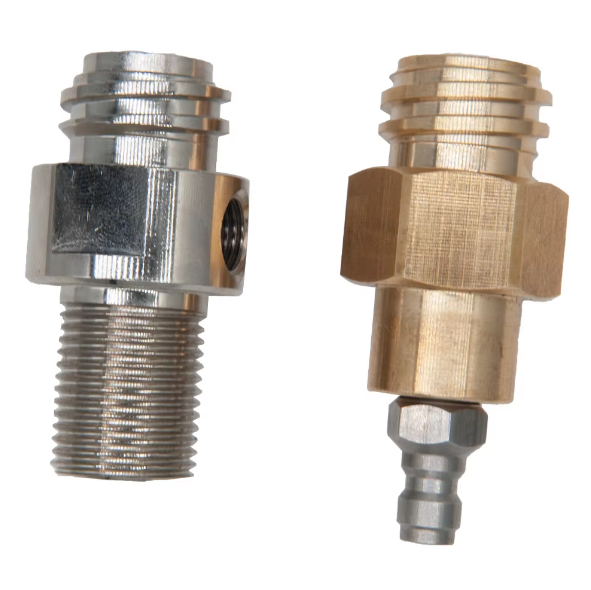
Why the CGA320 to TR21-4 Adapter Matters
Converting a SodaStream Terra or DUO to run from a standard CO2 tank changes the whole cost picture for heavy sparkling water users. The machines ship with small disposable or exchange cylinders that are convenient but expensive per liter over time. A CGA320 to TR21-4 adapter opens the path to a refillable tank, but it also introduces a new connection point that has to be handled correctly. This adapter bridges two very different gas interfaces: the CGA320 valve on a bulk CO2 cylinder and the TR21-4 quick connect port on the machine.
CGA320 is a compressed gas association standard used across beverage, aquarium, and light industrial CO2 service. It uses a flat gasket seal and a right-hand thread. TR21-4 is the push-in quick connect mentioned earlier, with internal lugs and an O-ring seal. The adapter itself often includes a braided hose, a pressure gauge, or an inline shutoff, depending on the kit. Getting the installation sequence right prevents damage to the machine port, which is a common and costly mistake.
Tools and Prep Before Touching the Tank
A few basic items make the job much safer and less frustrating. A crescent wrench or a proper CGA320 wrench handles the tank nut. A spray bottle filled with soapy water is essential for leak testing. Teflon tape is generally not needed on CGA320 or TR21-4 connections because both use gasket or O-ring seals, and tape can actually interfere with the seal surface. Clean shop cloths and a small brush help remove dust from the tank valve.
Before starting, check that the CO2 tank is upright and stable. If the tank has been transported recently, let it settle for a few minutes so any liquid CO2 inside the dip tube area can return to the bottom. Close the tank valve completely and release any residual pressure from an old regulator if one is attached. The Terra or DUO machine should be unplugged or at least turned off, and the water bottle should be removed to avoid accidental carbonation cycles during installation.
Step-by-Step Installation Walkthrough
The exact order matters less than doing each step without forcing anything. Forcing a quick connect fitting can break the internal lugs and turn a small project into a machine port replacement.
Attach the CGA320 nut to the tank valve. Make sure the flat gasket is seated inside the nut, then thread it on by hand until snug. Use a wrench to tighten no more than a quarter turn past hand tight. The gasket does the sealing, not torque.
Connect the other end of the hose to the TR21-4 port on the machine. Line up the adapter lugs with the port notches, push straight in, and listen for a distinct click. Give the adapter a slight tug to confirm the lugs are engaged.
Open the tank valve slowly. A fast open can slam the regulator or hose with cylinder pressure and blow debris into the system. Crack the valve just enough to hear gas flow, then open it fully.
Check the inline gauge if the kit has one. A reading in the expected range, often between 0 and 60 bar depending on the regulator, indicates the supply side is working.
Test the machine by filling a bottle with plain water. If carbonation is weak, close the tank and check the adapter seal before adjusting anything else.
Pressure Testing and Leak Checks That Actually Work
A visual check is not enough with CO2. The gas is colorless and can leak slowly without any sound. Soapy water applied to every joint, the tank valve nut, the hose crimps, and the TR21-4 port, will bubble if there is a leak. Pay close attention to the machine side quick connect because small leaks there often go unnoticed until the tank empties overnight.
Let the system sit under pressure for at least 10 to 15 minutes before declaring it good. During that time, watch the gauge if present. A pressure drop after the tank valve is closed points to a leak somewhere downstream. One useful trick is to close the tank valve after the test and leave the machine connected. If the pressure gauge drops over the next hour, the leak is in the hose or the machine port, not the tank itself.
Common Mistakes Seen in the Field
A beverage equipment service call in a busy cafe revealed a pattern that repeats across many installations. The staff had connected a CGA320 to TR21-4 adapter to a DUO machine and immediately opened the tank valve all the way. The hose jumped, the quick connect collar cracked, and the O-ring blew out. The cause was a missing gasket inside the CGA320 nut, which allowed the nut to seat on the tank valve threads instead of the seal face. A two-minute check would have prevented the downtime and the spilled gas.
| Mistake | Result | Prevention |
|---|---|---|
| Missing CGA320 gasket | High pressure leak at tank valve | Inspect gasket before threading |
| Forcing TR21-4 into port | Broken lugs or cracked collar | Align notches, push straight |
| Opening tank valve too fast | Hose whip, blown O-ring | Crack valve slowly, then open |
| Skipping soapy water test | Slow invisible leak | Test every joint, wait 10 minutes |
| Using thread tape on gasket seals | Seal distortion, micro leak | Keep tape off CGA320 and TR21-4 |
When a CNC Machined Adapter Makes a Difference
The difference between a reliable adapter and a problematic one often comes down to the machining of the TR21-4 end. The locking lugs must be consistent in height and spacing, and the O-ring groove needs a smooth radius so the ring seats without twisting. On the CGA320 side, the nut threads and gasket pocket need to match the standard closely enough to seal at full cylinder pressure. These details are hard to control with low cost casting or manual finishing.
A well made adapter also handles repeated connect and disconnect cycles without loosening. In a home setting, the Terra or DUO might get disconnected for cleaning or storage a few times a month. In a small office or cafe, that number can rise quickly. The wear pattern on the port side quick connect shows up as a shallow groove on the lugs after several hundred cycles, and a precisely machined adapter distributes that wear evenly instead of concentrating it on one or two points.
HXJ produces this category of soda adapters with the same CNC machining process used for higher tolerance industrial parts. The production line controls lug geometry, thread depth, and surface finish in a single setup, which helps keep the adapter consistent from batch to batch. For importers, distributors, or service companies that need to supply end users with a dependable connection, that repeatability is the main reason to look beyond the cheapest option.