
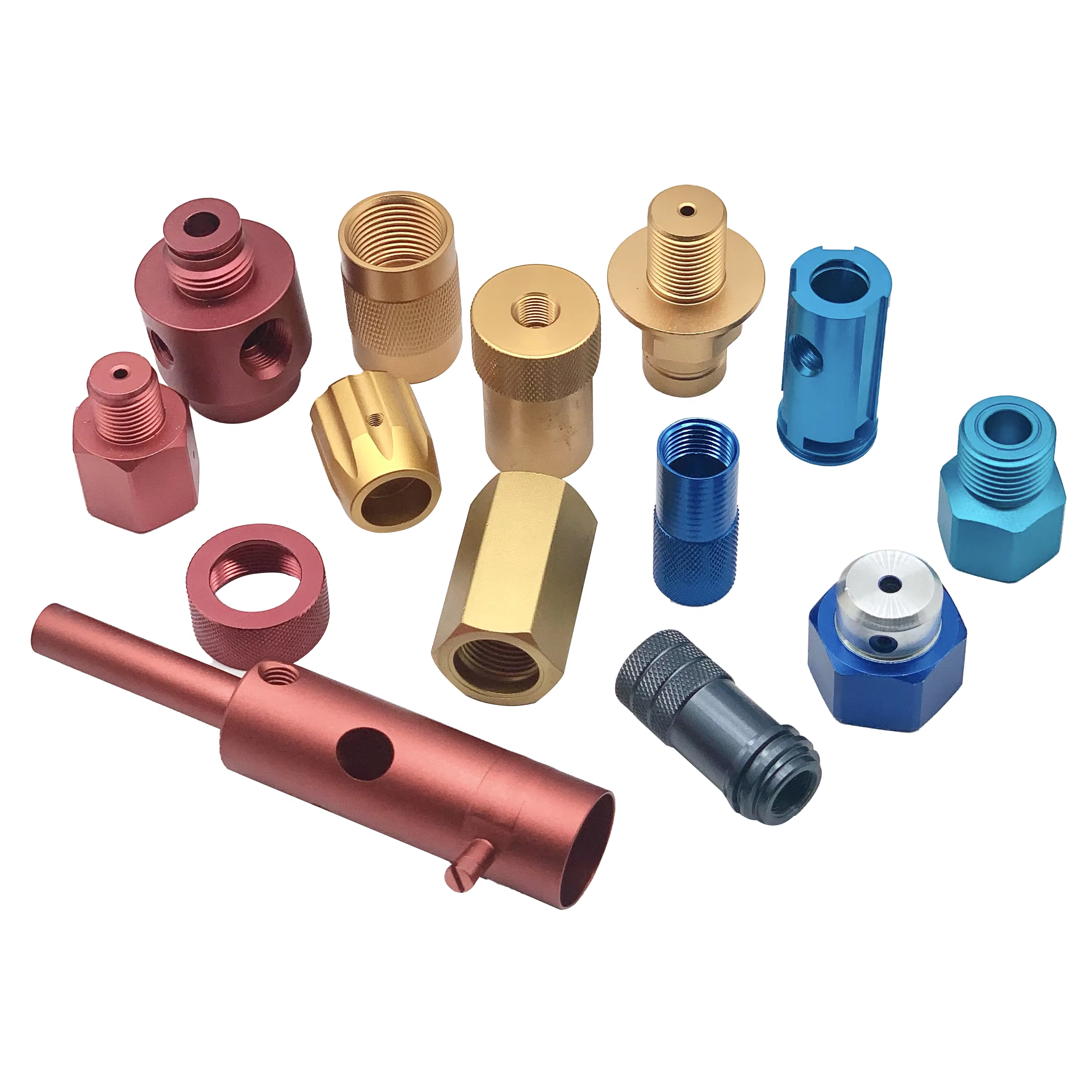
Assess CNC Machining Capabilities for Your Part’s Complexity
Matching 3-Axis, Turning, and 5-Axis CNC Capabilities to Geometric Requirements
Choosing the right CNC tech makes all the difference when it comes to whether a part can actually be made and how much it will cost to produce. When dealing with boxy parts that have flat surfaces like mounting brackets or equipment housings, going with 3-axis milling tends to give good value for money while still hitting those accuracy targets. The turning centers are where things get interesting for round parts such as drive shafts or electrical connectors since they spin the workpiece during cutting which helps maintain that perfect circular shape and smooth finish. For really complicated shapes found in aircraft components, surgical instruments, or wind turbine blades, there's no getting around the need for 5-axis machines. These advanced systems can basically create the final shape in one go without having to move the part around multiple times, which cuts down on mistakes from repositioning and keeps those tight tolerances within about 0.005 inches. According to what manufacturers report across different sectors, switching to 5-axis machining can slash production time by nearly two thirds for complex parts compared to doing several steps on regular 3-axis machines. That explains why so many shops now consider 5-axis capabilities practically mandatory whenever faced with challenging geometry requirements.
Evaluating Tooling Flexibility, CAD/CAM Integration (e.g., Fusion 360, Mastercam), and In-House Process Coverage
When looking at what a manufacturer offers beyond just their machines, take a good look at their whole production setup. Flexible tooling matters a lot because it means having different cutters available, fast changing systems between tools, and smart ways to adjust how cutting happens. This kind of flexibility helps when working with tough materials like hardened steel, composite parts, or those delicate thin walls without causing vibrations or warping issues. Using CAD/CAM software such as Fusion 360 or Mastercam really speeds things up from design to actual production work. These programs check if something can actually be made early on, create safe paths for the cutting tools, and even let us see how much material gets removed digitally before we touch real metal. Look for companies that do most everything themselves inside their own facility including milling operations, turning processes, grinding work, plus various surface finishes. When all these steps happen under one roof, there are fewer delays from sending work out elsewhere, better consistency throughout the entire process, and typically around 30 to maybe even 45 percent faster turnaround time when multiple manufacturing steps are needed for a single component.
Validate Quality Assurance with Certified Inspection and Traceability
CMM Metrology, GD&T Compliance, and Real-Time Inspection Reporting
Getting precision right in CNC machining requires thorough checking with Coordinate Measuring Machines (CMMs) and following those tricky Geometric Dimensioning and Tolerancing (GD&T) rules pretty closely. These machines can spot dimensional differences down to the micron level while GD&T goes beyond simple measurements to control how parts actually fit together functionally. It defines what's acceptable when it comes to shape, position, and alignment rather than just looking at numbers on paper. When manufacturers implement real time inspection systems that create digital records as parts get machined, they catch problems faster and fix them before too many defective pieces end up wasting materials. Some studies suggest this approach cuts scrap waste by around 30 percent according to research published in the Journal of Manufacturing Systems back in 2023. For industries making aircraft parts, medical devices, or military equipment where even tiny mistakes matter a lot, having this kind of continuous feedback loop makes all the difference between success and costly failures.
ISO 9001, AS9100D, ITAR, and RoHS Certifications as Proof of Systemic CNC Quality Control
ISO 9001 and AS9100D aren't just pieces of paper hanging on the wall. These certifications actually show that a supplier has real quality management systems in place with proper documentation covering everything from preventing defects to figuring out why problems happen and constantly improving processes. The AS9100D standard takes things further for aerospace applications by requiring companies to think about risks upfront and analyze potential failures before they occur. When it comes to defense contracts, ITAR compliance means strict controls over how technical information is handled and who gets access to it. RoHS certification proves that dangerous materials such as lead and cadmium have been removed from products, which matters a lot in industries making electronic components or medical equipment. All these standards work together to create complete traceability throughout production. Each batch goes through material checks, gets inspected at various stages, and leaves behind detailed records connecting raw materials all the way to final parts. According to Quality Progress from last year, manufacturers with several certifications tend to have about 40 percent fewer issues showing up during outside audits.
| Certification | Scope | Critical Impact |
|---|---|---|
| ISO 9001 | Process standardization | Reduces operational inconsistencies |
| AS9100D | Aerospace risk management | Mandates failure mode analysis |
| ITAR | Data security for defense | Controls technical data access |
| RoHS | Material safety compliance | Eliminates lead/cadmium in components |
Require Proactive Design for Manufacturability (DFM) Support
How Early DFM Collaboration Reduces Cost and Lead Time—Backed by Industry Data
DFM isn't just another box to tick off it's really about teamwork between engineers right from the start, way before those final blueprints get locked in place. When people who know CNC machines get involved during the prototype phase, they spot problems that would otherwise cost a fortune later on. Think about things like overly tight tolerances that nobody needs, weird shapes that won't work with regular cutting tools, or parts that bend out of shape when heated. By adjusting how parts sit in the machine, combining similar features where possible, and sticking to common screws and threads, shops save hours programming, simplify jigs and fixtures, and waste less material overall. According to industry research from Ponemon back in 2023, companies that bring everyone together early cut down on expensive last minute changes by around 30 percent and speed up production timelines nearly half. For actual CNC jobs, these improvements translate into fewer machine setups, cleaner running multi axis operations, and better success rates on the first try. Companies that ignore DFM practices end up facing defect rates that are almost double what they should be. These defects usually come from things like bad vibrations during cutting, chips getting stuck in the wrong places, or parts not holding properly while being machined. Fixing these issues after the fact can push project deadlines back weeks at a time and make everything much more expensive in the long run.
Ensure Secure, Responsive Communication and IP Protection
Enforced NDAs, Encrypted File Transfer, and Role-Based Access for Sensitive CNC Projects
Securing intellectual property goes beyond just having policies on paper. Manufacturers need robust, multi-layered security measures woven into their everyday CNC operations. Start by getting everyone involved to sign solid NDAs that keep secrets safe before any CAD files or specs are shared. When it comes to digital transfers, go for SFTP or AES-256 encryption to protect those sensitive designs from falling into the wrong hands during transmission. Inside project management systems, set up role-based access so only people who absolutely need to see certain documents can actually view or edit them. These steps help stop IP theft and design leaks, which can wipe out around $740,000 per incident according to recent studies from SMT LLC Group. Combine good security practices with proper communication channels and detailed audit trails, and companies build a foundation of trust while working on critical parts or proprietary technology.
FAQ Section
What are the main types of CNC machining? CNC machining primarily includes 3-axis milling, turning centers, and 5-axis machines, each suited for different types of part geometries and complexities.
How does 5-axis CNC machining benefit production? 5-axis machining allows for complex parts to be manufactured in a single setup with reduced repositioning, leading to fewer errors and significantly faster production times.
Why is CAD/CAM integration important in CNC machining? CAD/CAM software like Fusion 360 or Mastercam optimizes the production process from design to machining, ensuring accurate and efficient path-generation and material removal.
What ensures precision and quality in CNC machining? Use of Coordinate Measuring Machines (CMMs), adherence to GD&T rules, and real-time inspection reporting guarantee high precision and quality in CNC machining.
What certifications indicate quality in CNC machining? Certifications such as ISO 9001, AS9100D, ITAR, and RoHS signify adherence to strict quality control and assurance standards in CNC manufacturing.