
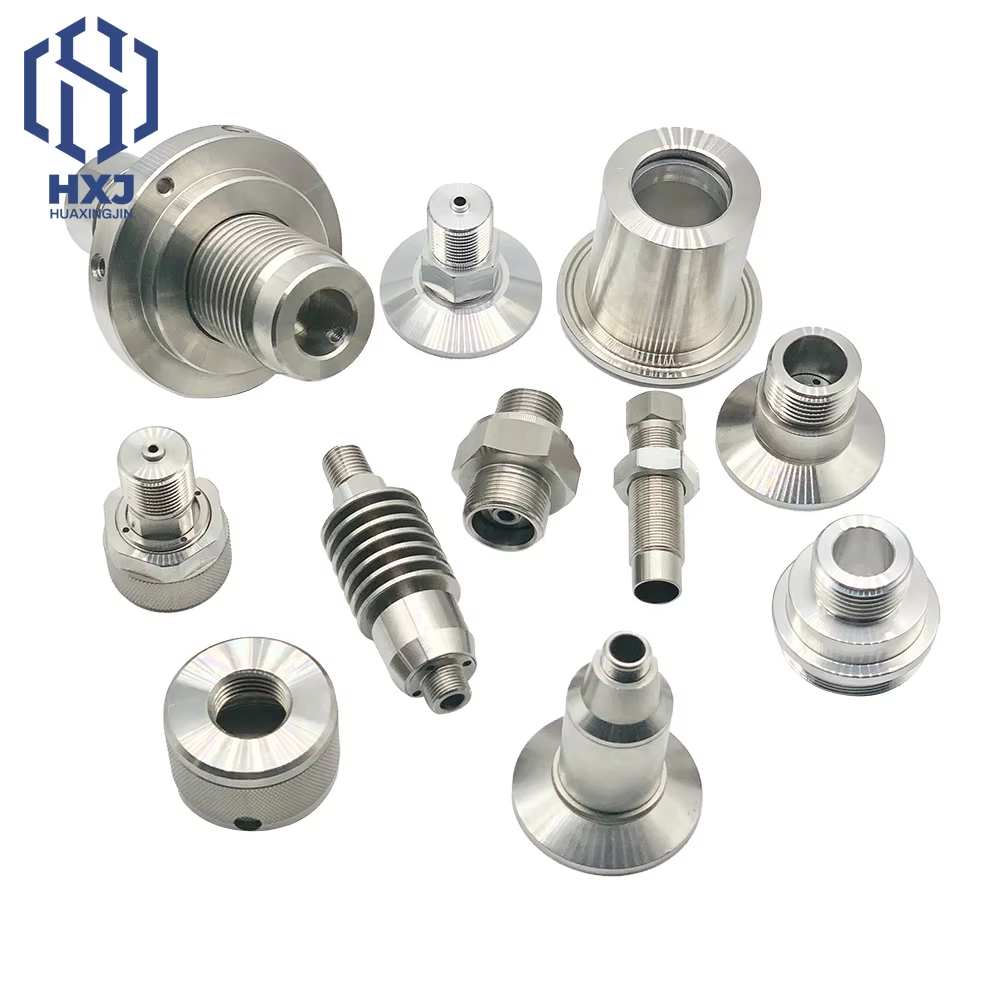
Unmatched Precision and Consistency for Functional Hardware
Sub-0.005” Tolerances Ensure Mechanical Reliability in Low-Volume Runs
Computer Numerical Control machining achieves remarkable dimensional accuracy that's critical for making parts that actually work. Most shops regularly hit tolerances below ±0.005 inches on standard jobs. When components fit together properly in mechanical systems, they last longer and don't break down unexpectedly. A tiny misalignment here or there might not seem like much but over time it wears out bearings or causes whole systems to fail prematurely. The really advanced CNC machines can get down to around ±0.001 inch accuracy according to those ASME standards from 2024. This means manufacturers can produce intricate shapes even when making small batches, without having to compromise on quality. Because these machines cut so precisely, workers spend less time adjusting parts after machining. Assembly lines run smoother and waste materials decrease significantly in industries ranging from aircraft manufacturing to implantable medical devices and heavy machinery production.
Run-to-Run Repeatability Without Tooling Degradation or Setup Drift
One major benefit of using CNC machines for making functional hardware is how consistently they produce parts across different batches. Traditional manufacturing methods tend to show more variation between production runs, but CNC processes stay pretty stable because they follow digital toolpaths that cut down on setup mistakes. Plus, these machines monitor themselves while running and make adjustments when tools start wearing out. The result? Parts maintain their dimensions throughout entire production cycles without drifting off spec. For manufacturers working with small batch sizes, this means getting almost identical quality from the very first piece all the way to the last one produced. That kind of reliability really matters when making replacement components or rolling out products in stages over time. And speaking of reliability, CNC doesn't require special tooling like stamping or casting does, so there's no worry about molds breaking down or wearing out after repeated use. This absence of tool degradation helps maintain consistent results even after thousands of parts have been made.
True Cost Efficiency for Small-Batch and Prototype CNC Machining
Eliminating Upfront Tooling Investment vs. Molding, Stamping, or Casting
CNC machining cuts out those expensive upfront tooling costs that come with traditional mass production techniques needing special molds or dies. Think about how much money gets spent on injection molding or stamping setups usually running between ten thousand to fifty thousand dollars according to recent manufacturing reports. That's why so many companies turn to CNC when they need prototypes or small batches below around a thousand pieces. The whole process works through computer programs guiding cutting tools straight from CAD files, which means there's no need for any physical templates at all. When engineers want to get started, they just send over their digital designs and production kicks off right away. No waiting weeks for tooling to be made, and if changes are needed later on, there's no hassle with retooling delays either.
| Process | Upfront Tooling Cost | Break-Even Volume | Design Change Flexibility |
|---|---|---|---|
| Injection Molding | $15,000–$80,000 | 5,000+ units | Low (requires new mold) |
| CNC Machining | $0 | <1,000 units | High (program update only) |
Break-Even Thresholds: When CNC Becomes More Economical Than Alternative Processes
When manufacturing runs fall between 500 and 1,000 units, CNC machining actually cuts part costs by around 60 to 75 percent compared to injection molding methods. This happens even though CNC parts generally require more raw materials since there's no need to amortize expensive molds over time. The sweet spot where production becomes cheaper shifts based on how many items need to be made. Typically, CNC remains the better choice until the batch size gets large enough to justify the upfront investment in molding tools. Take an aluminum housing component for instance. At 500 pieces, CNC produces each unit for about $82 while molding would set manufacturers back roughly $148 per piece once all those mold costs and minimum order quantities are considered. Knowing these crossover points helps companies plan their finances smarter during new product introductions or when developing hardware prototypes in the early stages.
Speed and Flexibility: Accelerating Hardware Iteration with CNC Machining
From CAD File to Bench-Tested Part in Under 72 Hours
CNC machining today cuts through those old school prototyping roadblocks we used to deal with all the time, like creating molds and setting up multiple stages of tools. When engineers convert their CAD designs straight into actual parts in about three days, they skip right past those month long waits that come with things like injection molding. What this means is companies can validate their designs much quicker. Parts made from real production materials such as aluminum 6061, brass C360, and PEEK plastic get tested under actual conditions almost instantly. And here's something important: if problems show up during testing, designers just tweak the CAD file and send it back to the machine shop for another run in the same week. This makes the whole process go around 4 to 5 times faster than what was standard before. Since there's no need to spend money on special tools, fixing issues only costs extra for materials and machining time. That makes it totally feasible for small businesses to keep improving their designs over and over again. At the end of the day, products hit the market sooner while still meeting all the same quality standards as mass produced items would.
Broad Material and Geometric Versatility for Custom Hardware Applications
Aluminum 6061, Brass C360, and Engineering Plastics – Matching Material Properties to Function
The flexibility of CNC machining when it comes to materials is something that really stands out for anyone needing custom hardware. Engineers can pick whatever substrate works best for their specific needs rather than being limited by what processes will allow. Take aluminum 6061 for instance. It's got this great balance between strength and weight, making it perfect for structural parts. We're talking about yield strengths around 40,000 PSI but still manages to be about 60% lighter than steel. Then there's brass C360 which resists corrosion naturally and cuts easily, so it works well for things like conductive fittings or parts used in marine environments where dimensional stability matters even after repeated heating and cooling cycles. When looking at electrical insulation or chemical resistance, engineering plastics such as PEEK come into play. These materials can handle tensile strengths over 10,000 PSI and keep going at temperatures above 480 degrees Fahrenheit according to those industry standards. What makes CNC truly special though is how it handles complex shapes. Internal channels, thin walls, precise threads – all these tricky features work across different materials. And unlike other methods like molding or casting, CNC machines can switch quickly between metals and plastics during production runs. This speeds up development time without compromising quality since we maintain tight tolerances of plus or minus 0.005 inches no matter what material we're working with.
FAQ Section
What are the benefits of using CNC machining for small batch production?
CNC machining provides unmatched precision, consistency, and cost-efficiency for small batch production. It eliminates expensive tooling costs, allows for quick design changes, and shortens the prototyping process, making it ideal for low-volume runs.
How does CNC machining ensure precision and reliability in production?
CNC machining follows digital toolpaths, which minimizes setup errors and ensures that each part is produced to exact specifications. It also self-monitors and adjusts for tool wear, maintaining precision across entire production batches without drift.
Why is CNC machining more cost-effective for runs between 500 and 1,000 units?
For runs between 500 and 1,000 units, CNC machining reduces costs by around 60-75% compared to injection molding due to the absence of tooling costs. CNC becomes more economical until batch sizes justify the cost of molding tools.
What types of materials can be used in CNC machining?
CNC machining offers a broad range of material compatibility, including aluminum, brass, and engineering plastics like PEEK. This allows engineers to select materials that best match their specific application needs without compromising on quality.