 EN


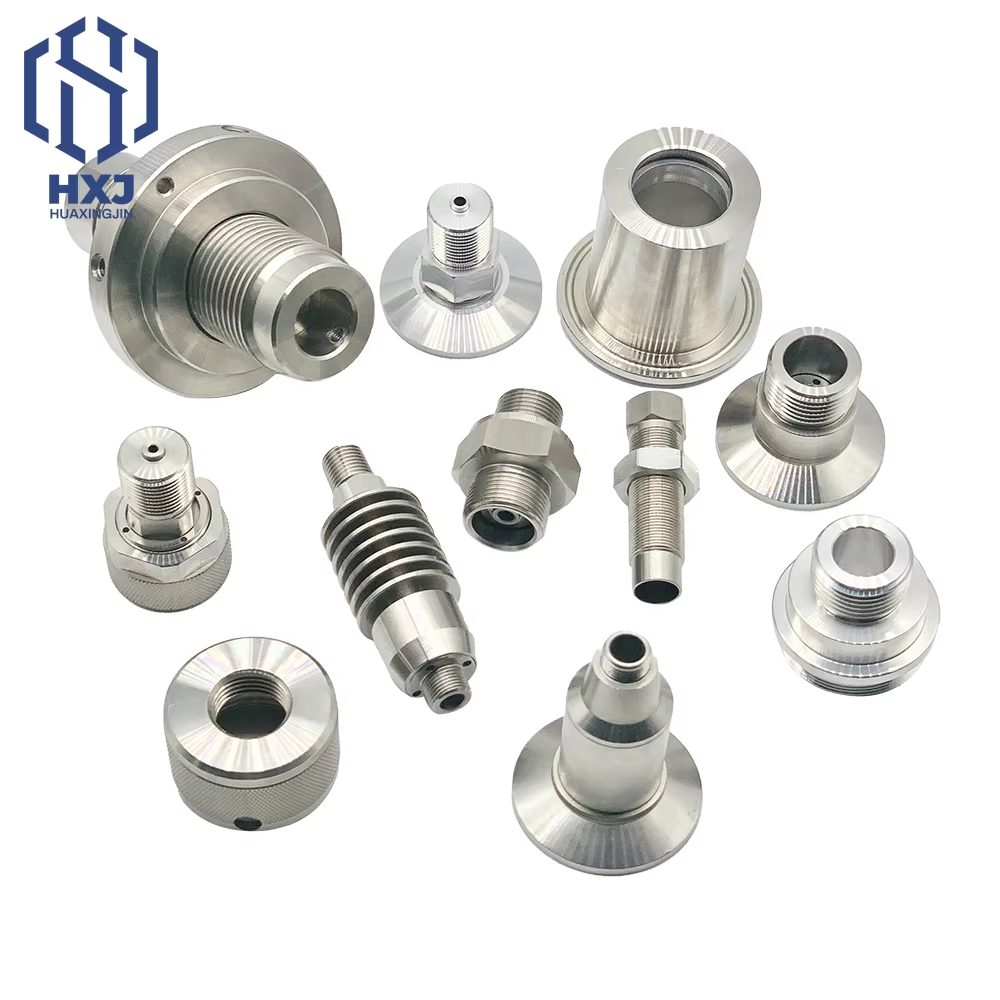
The Material Choice That Affects More Than Just the Price Tag
Brass and stainless steel both show up in high-pressure CO2 adapters. Both can handle the pressures involved. Both have been used successfully in the field for years. But the question of which one lasts longer isn't as straightforward as comparing tensile strength numbers on a spec sheet.
The answer depends on the operating environment, the frequency of use, the specific CO2 composition, and—perhaps most importantly—how the material interacts with the thread geometry and sealing surfaces over hundreds of connection cycles.
What Brass Brings to the Table
Brass, typically a 60% copper, 40% zinc alloy, has been the industry standard for gas regulation and fitting applications for decades. Its advantages are well documented: excellent machinability, good thermal conductivity (roughly five times higher than stainless steel), and proven compatibility with most industrial gases including CO2.
In high-pressure CO2 service, brass performs reliably. Its chemical properties are stable and it resists oxidation. The material also maintains toughness at low temperatures—important because CO2 expansion during discharge can drop temperatures significantly.
Where brass shows its limitations:
Dezincification—the selective leaching of zinc from the alloy—can occur when brass contacts ammonia, amines, or acidic condensates.
Brass is softer than stainless steel, meaning it's more susceptible to thread galling in high-cycle applications.
The material creeps under sustained high pressure over very long timeframes.
Stainless Steel: The Higher-Cost Alternative with Real Benefits
Stainless steel offers superior corrosion resistance and higher strength. In corrosive environments, stainless steel resists the degradation that can lead to system breaches. For high-pressure and frequently used applications, stainless steel is often the specified material.
The cost difference is significant. Stainless steel regulators and fittings typically cost 30-50% more than their brass equivalents. But they deliver longer service intervals in corrosive conditions—roughly two to three times longer, according to field data.
The Thread Galling Problem Nobody Talks About
Thread galling is a material transfer phenomenon that occurs when sliding surfaces—like threaded connections—experience high pressure and friction without adequate lubrication. Stainless steel is particularly prone to galling because of its high ductility and work-hardening characteristics. Once galling starts, the threads seize, and the connection becomes impossible to disassemble without damaging the threads.
Brass, by contrast, has a natural lubricity that reduces galling risk. The copper content provides a degree of self-lubrication during thread engagement. For adapters that are connected and disconnected frequently—say, in a fill station environment—this can translate into longer usable thread life with brass.
A Real-World Comparison: Two Adapters, Two Years
A dive shop in Florida kept records on two identical CO2 adapter designs—one machined from brass, the other from 316 stainless steel. Both adapters were used on the same fill station, handling the same number of fills per week, over a two-year period.
The brass adapter showed visible thread wear after approximately 1,200 connection cycles. The threads remained functional but the wear pattern was measurable with thread gauges. The stainless adapter showed minimal wear at the same cycle count—but it had required two instances of thread lubrication and one instance of minor galling that had to be dressed out with a thread file.
The takeaway: stainless steel lasted longer in terms of dimensional wear, but required more maintenance attention to prevent galling. The brass adapter wore faster but never seized.
Corrosion Resistance: Not All CO2 Is Created Equal
The corrosion performance of each material depends heavily on the CO2 source. Industrial CO2 can contain trace contaminants—water vapor, sulfur compounds, hydrocarbons—that affect how the material behaves.
| Condition | Brass | Stainless Steel (316) |
|---|---|---|
| Dry CO2, clean | Excellent | Excellent |
| Wet CO2 with condensate | Moderate (dezincification risk) | Good |
| CO2 with sulfur compounds | Poor | Good |
| High-cycle thread engagement | Good (low galling risk) | Moderate (galling risk) |
| Low-temperature service | Good | Better |
| Cost | Lower | Higher |
Brass performs well in dry, clean CO2 service. Once moisture enters the picture, the risk of dezincification increases. Stainless steel handles wet or contaminated CO2 better, but the galling risk requires careful attention to thread lubrication and assembly torque.
The Operating Frequency Factor
For adapters that see occasional use—a few connections per month—brass is entirely adequate. The material's natural resistance to galling and its forgiving machining tolerances make it a practical choice for intermittent service.
For high-frequency applications—daily connections in a fill station, for example—the calculus changes. Stainless steel's superior wear resistance starts to pay off, provided the maintenance protocol includes regular thread lubrication and careful assembly practices. The higher upfront cost becomes justified by extended service intervals and reduced replacement frequency.
The choice isn't about which material is "better." It's about which material better matches the operating conditions, connection frequency, and maintenance capabilities of the specific installation.
HXJ machines both brass and stainless steel CO2 adapters with thread geometries held to specified tolerances, using inspection processes that verify flank angles and pitch diameters before components are approved for assembly.
Table of Contents
- The Material Choice That Affects More Than Just the Price Tag
- What Brass Brings to the Table
- Stainless Steel: The Higher-Cost Alternative with Real Benefits
- The Thread Galling Problem Nobody Talks About
- A Real-World Comparison: Two Adapters, Two Years
- Corrosion Resistance: Not All CO2 Is Created Equal
- The Operating Frequency Factor