 EN
EN


The Supply Chain Problem Nobody Talks About
Here’s a scenario that plays out in purchasing departments every week: a custom parts order gets placed, the casting shop delivers blanks a few weeks late, then the machining shop discovers the castings are out of tolerance, and suddenly the project is six weeks behind with fingers pointing in every direction.
That’s the reality of fragmented manufacturing. When casting and machining happen at different facilities, misalignment creeps in—not just in schedules, but in dimensional expectations, material handling, and quality standards. Each handoff introduces risk. Each vendor has their own interpretation of the print. Each shipment adds freight cost and transit time.
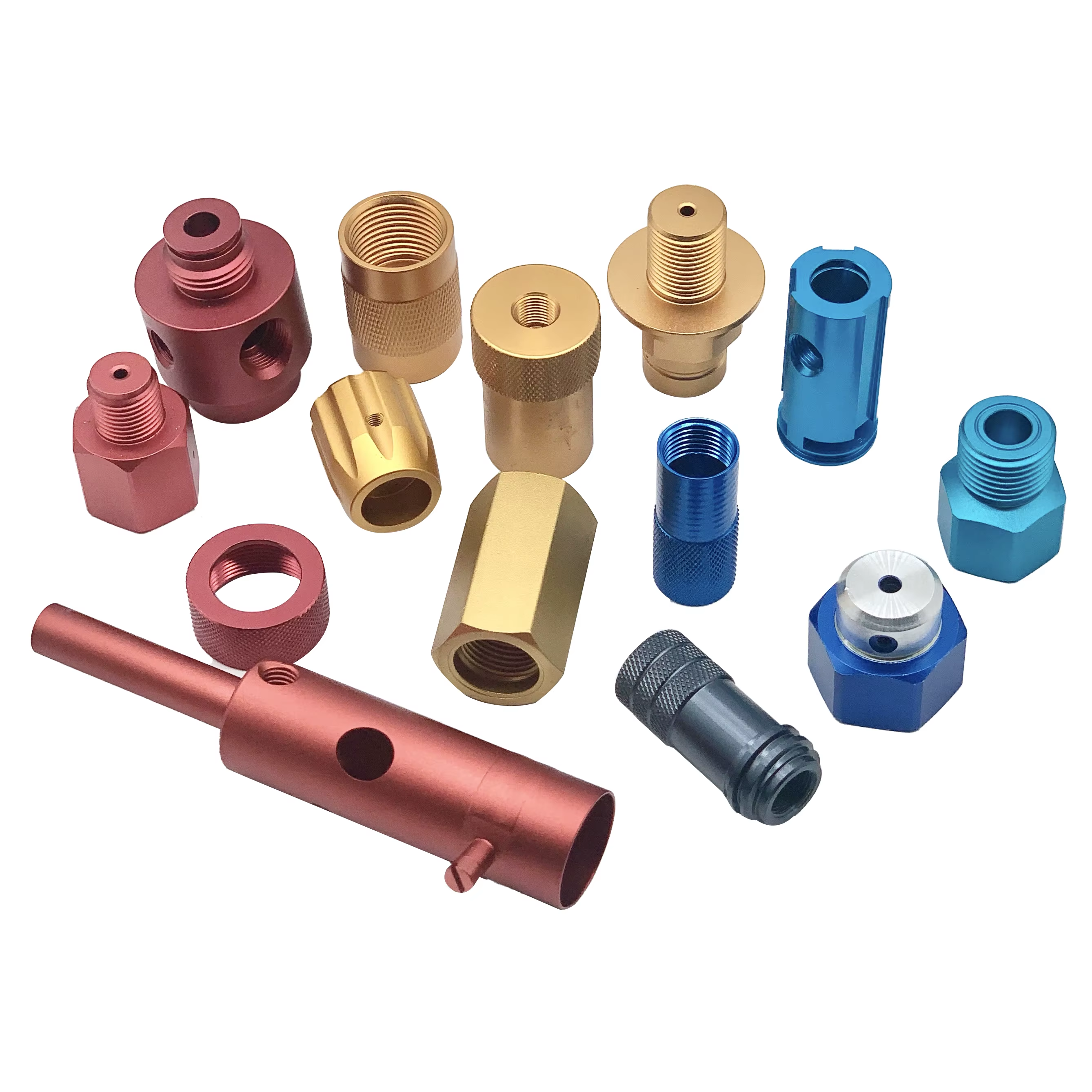
A custom CNC parts manufacturer with its own precision casting factory eliminates that entire chain of uncertainty. Castings move directly from the foundry floor to the machining center. The same team that poured the metal machines it. That continuity changes everything.
Near-Net-Shape Casting: The Unfair Advantage
Starting with a near-net-shape casting instead of bar stock is like beginning a sculpture with a rough-shaped block instead of a raw slab of marble. Investment casting produces parts that are already close to final dimensions, with complex geometries that would be impossible—or prohibitively expensive—to machine from solid material.
Consider internal channels, thin-wall sections, or intricate contours. Machining these features from billet means removing massive amounts of material, generating scrap, and burning through tooling. Casting creates those features directly. The CNC operation then focuses on critical datums, threaded holes, sealing surfaces, and tight-tolerance features—the places where precision actually matters.
The material savings are substantial. Near-net-shape forming minimizes waste, especially with expensive alloys like stainless steel or nickel-based superalloys. Less material removed means less machining time, longer tool life, and lower overall production cost.
Quality Control That Starts at the Pour
When casting and machining are under one roof, quality control isn’t a handoff—it’s a continuous thread. The machining team can provide feedback to the casting team about what works and what doesn’t. If a casting feature consistently requires extra cleanup, the pattern or gating system gets adjusted.
That feedback loop is impossible when casting and machining are separated by geography and vendor relationships. A machine shop that receives out-of-spec castings has two choices: scrap them and wait for replacements, or try to machine through the problem and hope nothing goes wrong. Neither is good.
In-house integration means dimensional inspection happens before parts leave the foundry area. CMM measurements, spectrographic analysis, and functional testing occur within the same facility. Issues get caught early, when they’re cheap to fix, not after weeks of transit and setup time.
Cost and Lead Time: The Numbers That Matter
This is where the integrated model separates itself from the fragmented supply chain.
| Factor | Fragmented Supply Chain | Integrated Casting + CNC |
|---|---|---|
| Vendor coordination | Multiple contacts, multiple POs | Single point of contact |
| Logistics | Freight between suppliers | No inter-facility shipping |
| Quality issues | Discovered after machining starts | Caught at casting inspection |
| Design changes | Slow to propagate | Immediate feedback |
| Total lead time | Typically longer | Significantly shorter |
One manufacturing operation that moved to an integrated casting-plus-CNC model reported eliminating inter-facility freight entirely and cutting overall lead time substantially. Another found that the consolidated workflow reduced total cost by a meaningful margin compared to managing separate suppliers.
The math is straightforward: fewer vendors means less purchasing administration, fewer financial transactions, and no need to manage transport between shops. Part designs get optimized for the whole manufacturing process rather than individual steps. That’s not just cost-effective—it’s operationally simpler.
A Real-World Case: The Pump Manufacturer That Switched
A pump manufacturer specializing in sanitary applications had been sourcing castings from one foundry and sending them to a separate machine shop for finishing. The arrangement worked—until it didn’t. A new pump design required tighter bore tolerances, and the foundry couldn’t consistently deliver castings that met the requirement. The machine shop kept rejecting batches, the foundry blamed the machining setup, and the project stalled for months.
The resolution came when the manufacturer switched to a supplier with in-house casting and CNC capabilities. The engineering team sat down with the foundry manager and the machining lead in the same room, reviewed the print together, and adjusted the casting process to deliver blanks that the CNC operation could finish reliably. Lead time for the first production run dropped by weeks. Rejections essentially disappeared.
That kind of collaboration doesn’t happen when casting and machining are separated by a thousand miles and a vendor management office.
When Integrated Manufacturing Makes Sense—and When It Doesn’t
Integrated casting and CNC manufacturing isn’t the right answer for every project. Low-volume prototypes or parts with simple geometries might be faster and cheaper to machine directly from bar stock. The tooling cost for investment casting can be significant, so the volume needs to justify the investment.
But for production runs of complex parts—especially those with internal features, thin walls, or demanding material specifications—the integrated model delivers clear advantages. Material efficiency improves. Quality consistency increases. Lead times shorten.
The sweet spot is projects where the casting creates the shape and CNC machining delivers the precision. That combination, executed under one roof, outperforms fragmented alternatives almost every time.
The Strategic Advantage
Choosing a custom CNC parts manufacturer with its own precision casting factory isn’t just about saving money on freight or reducing the number of vendors. It’s about aligning the entire production process around a single quality standard, a single schedule, and a single engineering team.
Manufacturers like HXJ have built their capabilities around this integrated approach, recognizing that the gap between casting and machining is where quality problems, delays, and cost overruns typically originate. Closing that gap means delivering parts that meet specifications consistently—not most of the time, but every time.
Table of Contents
- The Supply Chain Problem Nobody Talks About
- Near-Net-Shape Casting: The Unfair Advantage
- Quality Control That Starts at the Pour
- Cost and Lead Time: The Numbers That Matter
- A Real-World Case: The Pump Manufacturer That Switched
- When Integrated Manufacturing Makes Sense—and When It Doesn’t
- The Strategic Advantage